
Barcelona
Barcelona sits squeezed between the Collserola ridge and the Mediterranean Sea, a dense urban grid that suddenly breaks into ancient, labyrinthine quarters.
Guests & rooms
The Barcelona guide
An insider’s read on Barcelona
BBarcelona sits squeezed between the Collserola ridge and the Mediterranean Sea, a dense urban grid that suddenly breaks into ancient, labyrinthine quarters.
Founded as the Roman colony of Barcino, the city's political core has remained centered on the Plaça de Sant Jaume for over two thousand years. After rising as a medieval maritime power under the Crown of Aragon, Barcelona underwent a massive 19th-century industrial expansion funded by manufacturing and colonial trade. This wealth paid for the Eixample—a revolutionary octagonal grid designed by Ildefons Cerdà—and fueled the flamboyant, nature-inspired architectural movement of Modernisme. Today, the city retains its fierce Catalan identity, visible in its language, its left-leaning municipal politics, and its history of urban resistance.

PLATE IBarcelona, Spain

Guides & ideas
The Barcelona reading list
Hand-written guides from our editors — itineraries, the best of after dark, where to eat, and what’s genuinely worth your time.
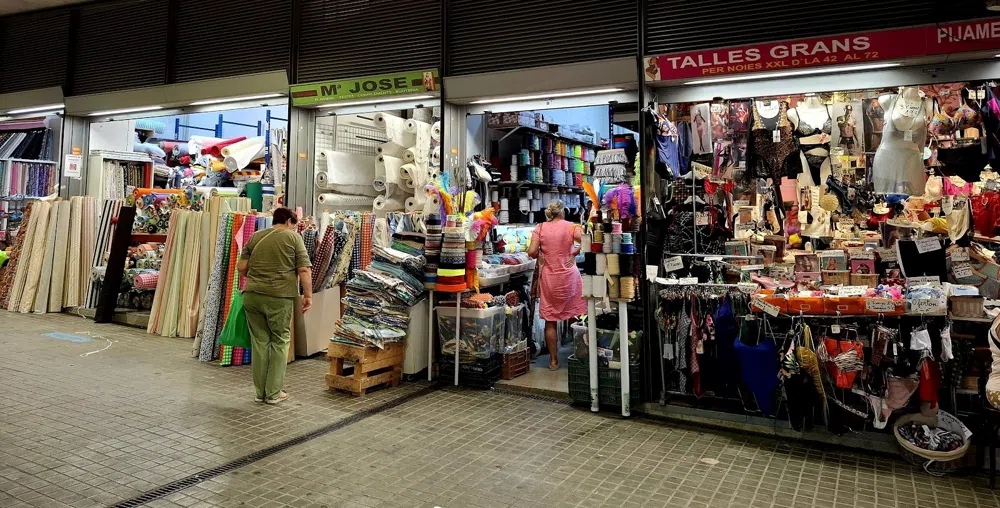
Barcelona's Secondhand Sunday: Encants and the Flea Markets
A route through Barcelona's Sunday flea markets, from the mirrored halls of Els Encants to the coin stalls of Plaça Reial, with honest notes on cash, crowds, timing and what's actually worth carrying home in 2026.
The Barceloneta Beyond the Towel: Barcelona's Old Fishing Quarter at Plate Level
A verified, 2026 door-policy-honest guide to eating Barceloneta as the neighbourhood eats it — market first, then tapas counters, then the seafood restaurants and the one fine-dining outlier worth the price.
Castells: The Human Towers of Catalonia and Where to See Them Rise in Barcelona
A free, no-ticket guide to Barcelona's castellers — the squares, festival days and rehearsal halls where Catalonia's human towers rise, fall, and get built again.
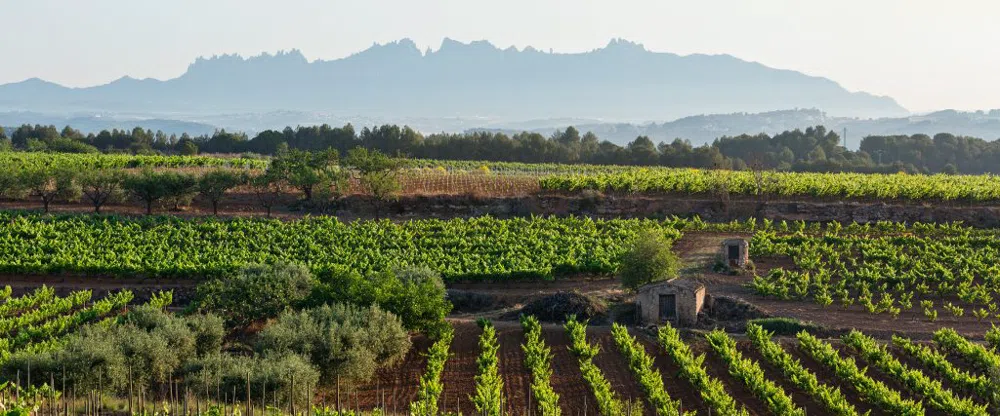
The Penedès wine country beyond the cava labels, a day trip from Barcelona
Skip the cava-label bus tour: Penedès has biodynamic Corpinnat houses, serious still-wine estates and a Bib Gourmand lunch, all under an hour from Barcelona.
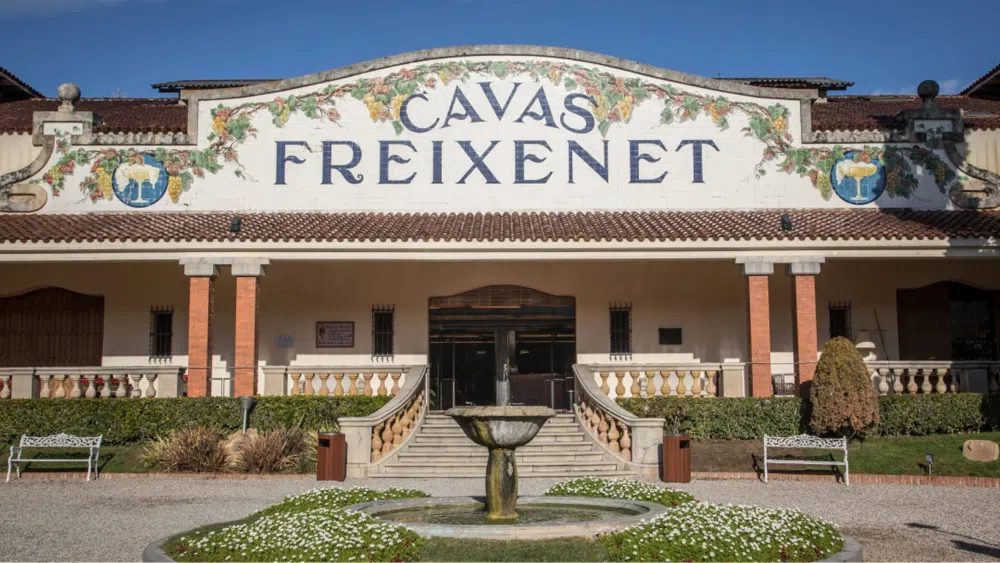
The Cava Countryside: A Day Trip Through Penedès Vineyards
A local's honest itinerary through Penedès in 2026 — which cava houses suit a coach party, which are private-only, and how to build one real day out of Barcelona's sparkling-wine country.
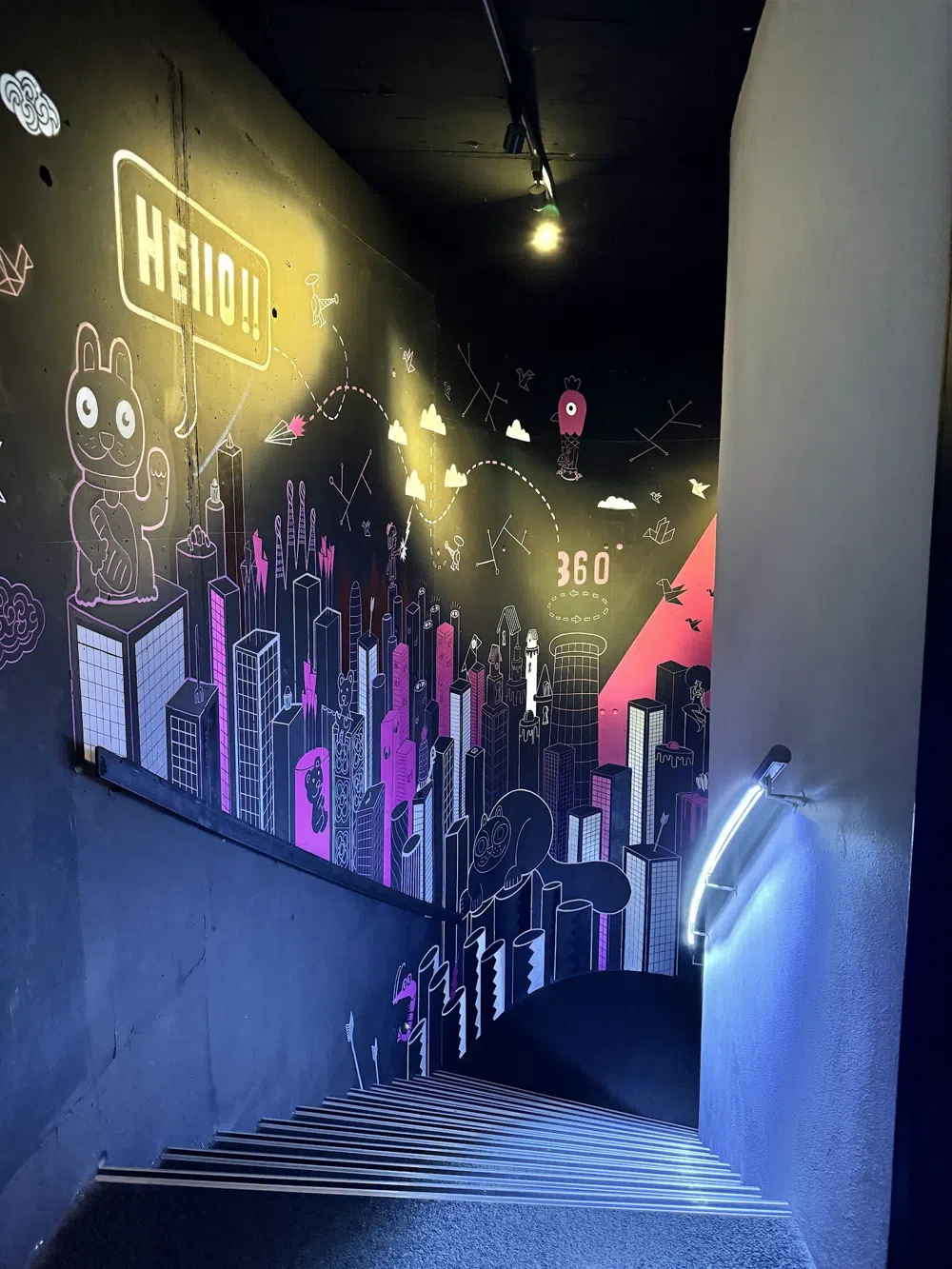
The City That Drinks from the Sky: Barcelona's Rooftop Bars and the Art of the High Terrace
From the 360° panorama over El Raval to the hidden infinity pool on Via Laietana and the sea-end clubs of Barceloneta — how to drink Barcelona's skyline the way the city intends, one terrace at a time.
Where to base yourself
The neighborhoods
01
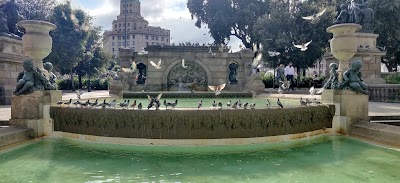
Gothic Quarter (Barri Gòtic)
For History enthusiasts who want to step directly into the ancient core of the city. The trade-off is intense noise, heavy crowds, and a high concentration of pickpockets.
A dense maze of narrow medieval alleys, Roman stone walls, and soaring Gothic arches opening into quiet stone plazas.
Where to stay — Boutique hotels hidden inside restored historic palaces or compact, character-rich apartments.
02
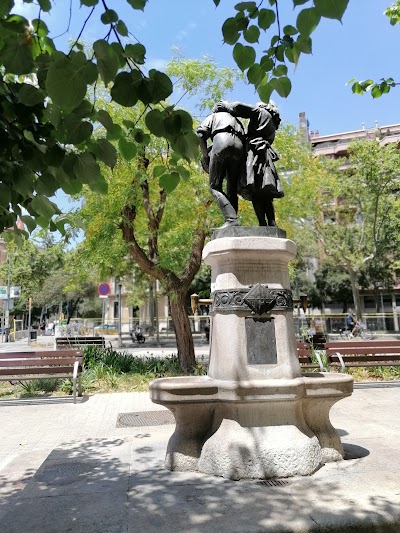
Eixample
For Architecture lovers and luxury shoppers. The trade-off is that the wide streets carry heavy traffic noise and the area lacks an intimate neighborhood feel.
A grand, orderly 19th-century grid characterized by wide boulevards, octagonal blocks, high-end fashion boutiques, and striking Modernista facades.
Where to stay — Grand luxury hotels, upscale design properties, and spacious apartments.
03
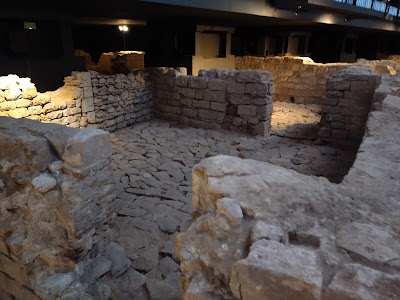
El Born (La Ribera)
For Creative travelers and food lovers. The trade-off is that the narrow streets can feel dark and get very loud on weekend nights.
A stylish, historic quarter where medieval architecture meets independent fashion boutiques, artisan workshops, and trendy wine bars.
Where to stay — Chic boutique hotels, design-forward guesthouses, and loft apartments.
04
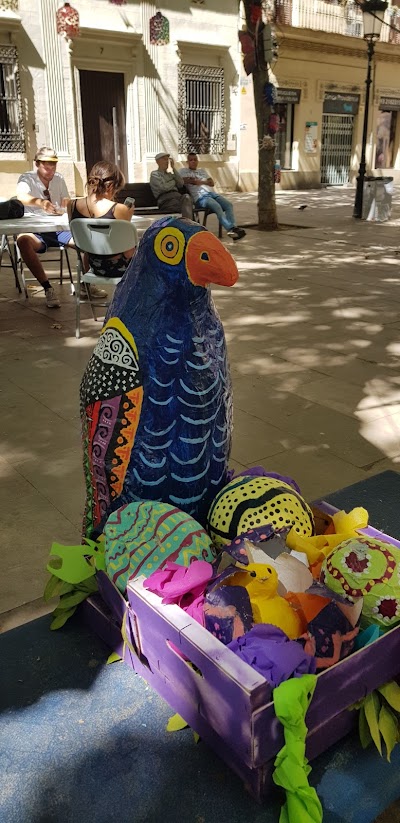
Gràcia
For Travelers seeking a slow-paced, local experience away from the tourist crowds. The trade-off is that it is further from the beach and requires a metro ride to reach the historic center.
A former independent village that retains its low-rise, bohemian, community-focused vibe, centered around pedestrian-only plazas.
Where to stay — Small local guesthouses, eco-conscious boutique hotels, or residential apartments.
05
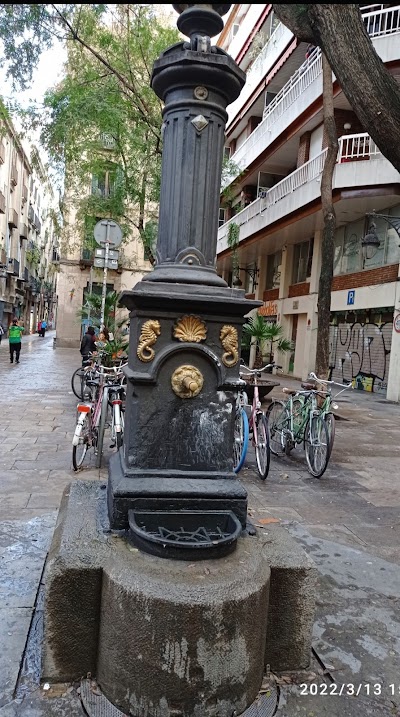
El Raval
For Budget travelers, contemporary art fans, and those who prefer raw urban energy. The trade-off is that some streets can feel intimidating and unsafe late at night.
Gritty, multicultural, and highly artistic. A dense neighborhood defined by skate culture, vintage clothing shops, and immigrant-run eateries.
Where to stay — Budget-friendly hostels or modern design hotels near the contemporary art museum.
06
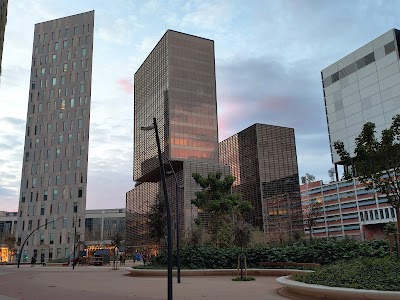
Poblenou
For Tech professionals, design enthusiasts, and beach lovers who want to avoid the chaotic crowds of Barceloneta. The trade-off is that it is far from the historic center and can feel quiet on Sundays.
A former industrial heartland turned creative tech hub, blending converted brick warehouses, design studios, and a relaxed beachside atmosphere.
Where to stay — Modern, industrial-chic hotels or serviced apartments.
Book direct
Book a hotel in Barcelona
Loading live availability and real-time prices…
Where to eat
Dining
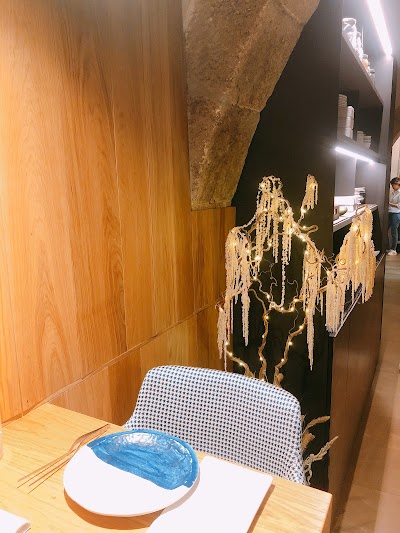
Estimar
€€€€El Born
Chef Rafa Zafra treats seafood with near-religious reverence, sourcing directly from Catalan ports and cooking with precise, minimal heat.
Signature — Carpaccio of red prawns, paying homage to El Bulli.
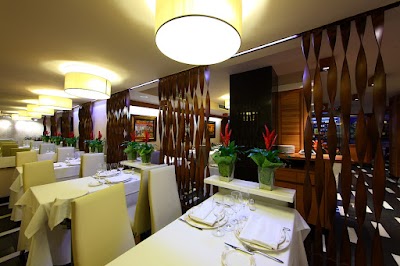
Rías de Galicia
€€€€Poble Sec
A long-standing institution serving high-end, traditional Galician seafood in a formal, classic dining room.
Signature — Baked spider crab prepared in its own shell.
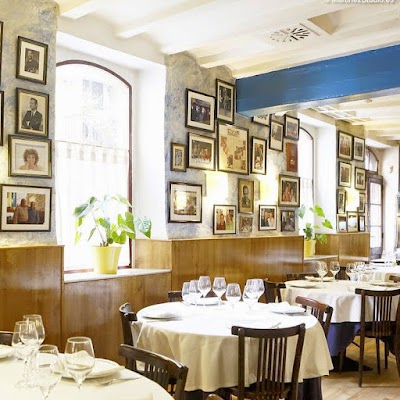
Can Solé
€€€Barceloneta
Operating since 1903, this historic tavern serves some of the most authentic, rich seafood rices in the old fishing quarter.
Signature — Soupy lobster rice (arròs caldós).
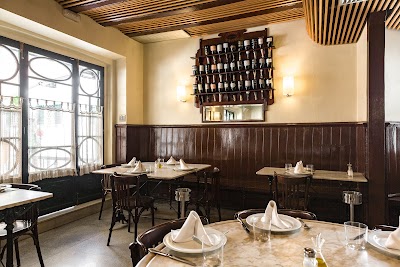
Els Pescadors
€€€Poblenou
Located in a quiet, tree-shaded square, this former tavern serves refined, traditional fish dishes with a focus on wild-caught species.
Signature — Cod prepared with honey and mild garlic allioli.
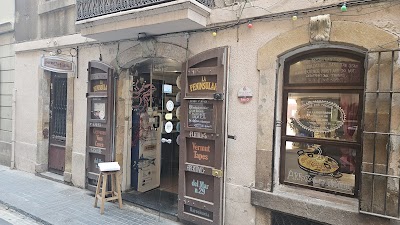
La Peninsular
€€Barceloneta
A no-nonsense, high-quality seafood tavern that avoids the tourist-trap clichés of the seafront.
Signature — Grilled squid with garlic and fresh parsley.
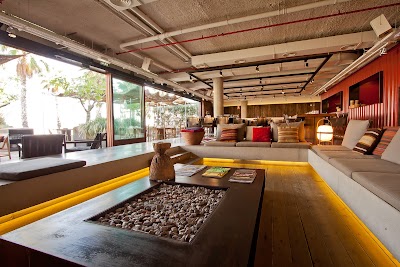
Chiringuito Pez Vela
€€€Barceloneta
A stylish, modern beachside spot located directly under the W Hotel, offering high-quality charcoal-grilled fish.
Signature — Charcoal-grilled wild sea bass.
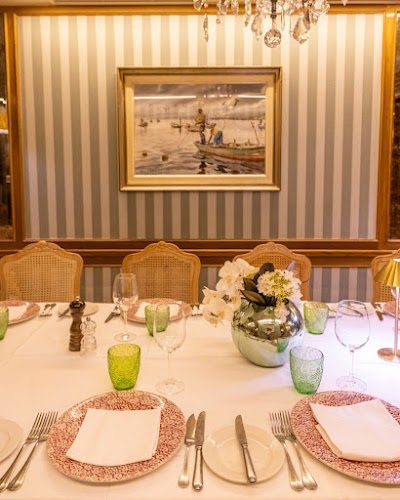
Botafumeiro
€€€€Gràcia
An old-school, theatrical seafood temple where waiters in formal attire serve politicians and celebrities from a massive raw bar.
Signature — The grand hot seafood platter (mariscada).
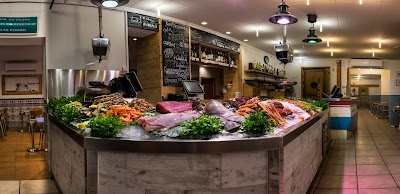
La Paradeta
€€El Born
A casual, self-service concept where you select fresh seafood from a fishmonger counter and specify how you want it cooked.
Signature — Steamed razor clams and mussels.
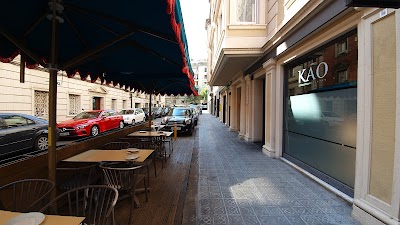
Kao Dim Sum
€€€Eixample
A refined, stylish spot blending Chinese culinary traditions with high-end local Mediterranean seafood.
Signature — Prawn and ginger dumplings.
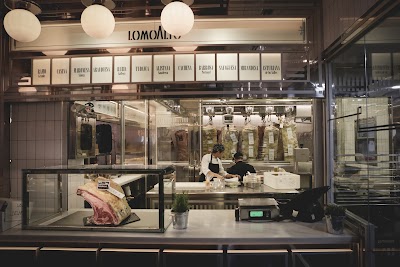
LomoAlto
€€€€Eixample
A temple to dry-aged beef, showcasing cuts from old Iberian oxen and cows in a sleek, butcher-shop-inspired space.
Signature — 90-day dry-aged ox ribeye cooked over charcoal.
Leña Barcelona
€€€€Eixample
Chef Dani García's stylish, wood-fired steakhouse combines dramatic interior design with precise open-fire cooking.
Signature — Smoked ribeye steak.
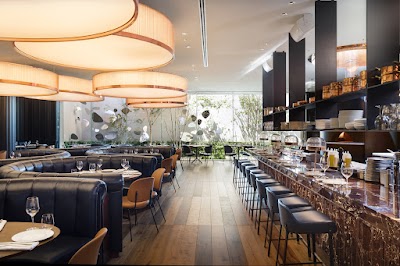
Mr. Porter
€€€€Eixample
A high-energy, sophisticated steakhouse inside the Sir Victor Hotel, blending fine dining with a lively bar scene.
Signature — Bone-in ribeye served with fresh chimichurri.
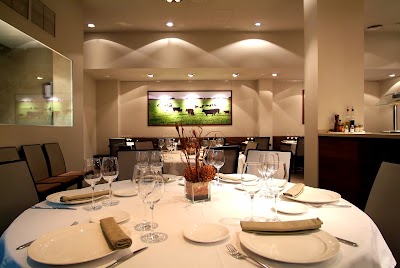
Patagonia Beef & Wine
€€€Eixample
A reliable, elegant Argentine steakhouse serving premium cuts imported directly from South America.
Signature — Bife de cuadril (rump steak) cooked over charcoal.
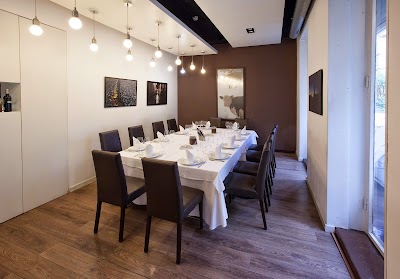
9 Reinas
€€€Eixample
An intimate, upscale Argentine grill run by former professional footballers, focusing on premium meats and red wines.
Signature — Solomillo (tenderloin) served with a rich truffle sauce.
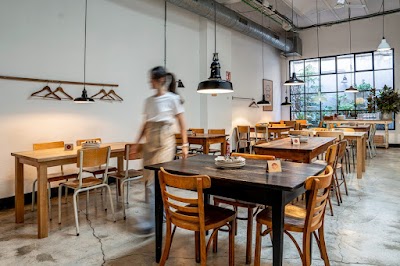
Sartoria Panatieri
€€Gràcia
While famous for award-winning pizza, this rustic venue cures its own organic meats and cooks exceptional pork over wood fire.
Signature — Wood-fired organic pork belly.
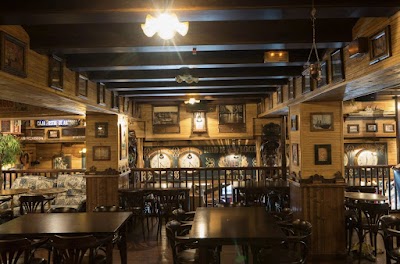
La Taverna de Barcelona
€€Eixample
A lively, retro-themed tavern serving traditional grilled meats to a largely local crowd.
Signature — Grilled lamb chops served with roasted garlic.
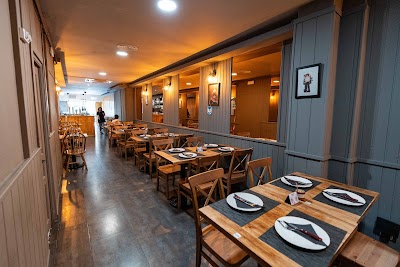
Pampa Grill
€€Gothic Quarter
A rustic, dependable Argentine grill offering generous portions of meat in the heart of the old city.
Signature — Parrillada (mixed grill platter).
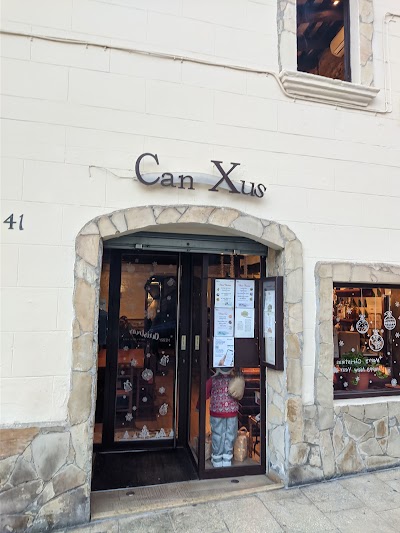
Can Chus
€€Sants
A humble, family-run neighborhood spot specializing in traditional Catalan grilled meats and local sausages.
Signature — Grilled rabbit served with fresh allioli.
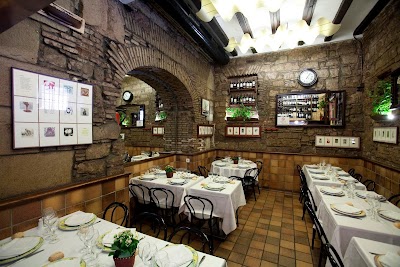
Cal Pep
€€€El Born
A legendary dining counter where there is no printed menu; instead, chefs prepare a custom sequence of tapas based on the morning's market catch.
Signature — Tortilla con aioli, a runny potato omelet topped with garlic mayonnaise.
Bar Cañete
€€€El Born
A high-energy, classic tapas bar with professional waiters in white coats, serving exceptionally fresh market plates.
Signature — Fried baby squid served over a fried egg.
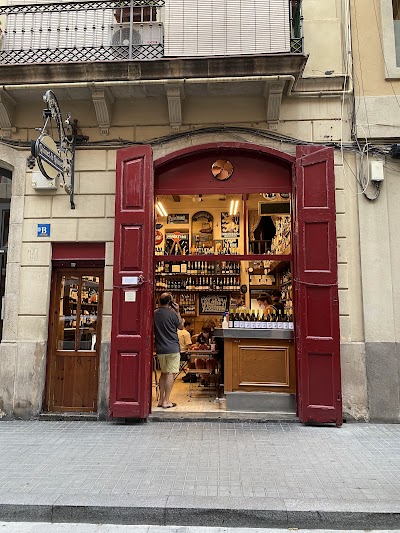
Quimet & Quimet
€Poble Sec
A tiny, standing-room-only bar operating since 1914, famous for elevating canned gourmet goods (conservas) into culinary art.
Signature — Salmon sashimi montadito with cream cheese and truffle honey.
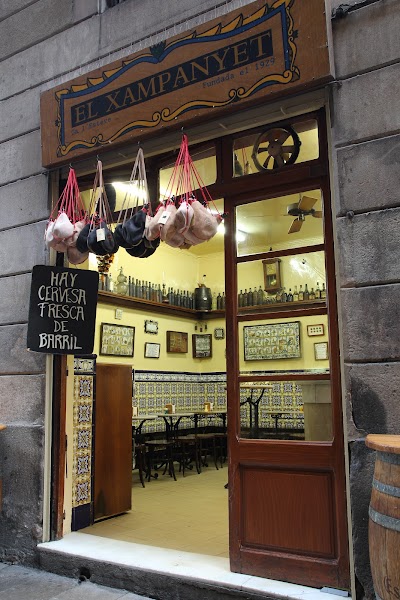
El Xampanyet
€€El Born
A historic, blue-tiled tavern serving house-bottled sparkling white wine and simple, salty tapas to a packed crowd.
Signature — Salted anchovies served with pan con tomate.
Bar Mut
€€€€Eixample
An upscale, intimate tavern with a blackboard menu showcasing top-tier ingredients and creative twists on classic dishes.
Signature — Egg carpaccio with caramelized onions and prawns.
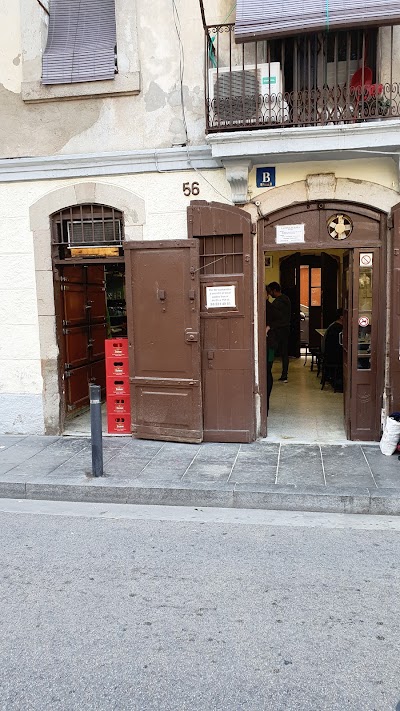
La Cova Fumada
€Barceloneta
A gritty, historic harbor tavern widely credited as the birthplace of the city's most famous spicy potato tapa.
Signature — La Bomba, a spicy meat and potato croquette.
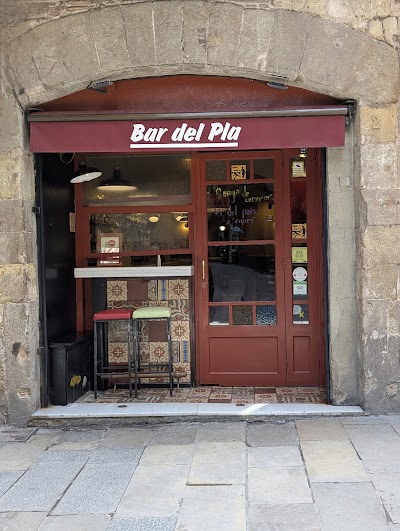
Bar del Pla
€€El Born
A cozy, brick-walled tavern offering clever, modern updates to traditional Catalan recipes alongside an excellent natural wine list.
Signature — Mushroom carpaccio with wasabi vinaigrette.
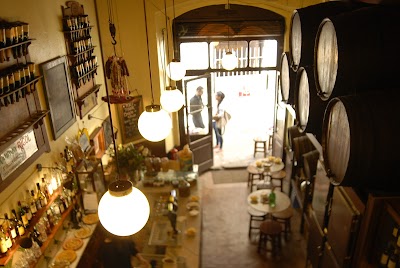
Bodega La Palma
€€Gothic Quarter
A historic bodega operating since the 1940s, retaining its original wooden wine casks and artistic heritage.
Signature — Slow-cooked beef cheeks in red wine.
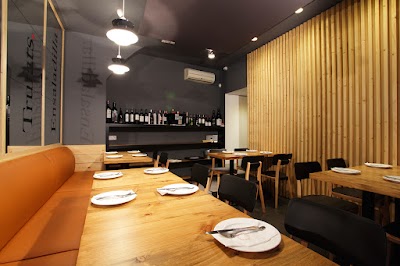
Tapeo Born
€€El Born
Chef Daniel Rueda prepares creative, modern tapas in a narrow, lively space near the Picasso Museum.
Signature — Glazed pork ribs with honey and mustard.
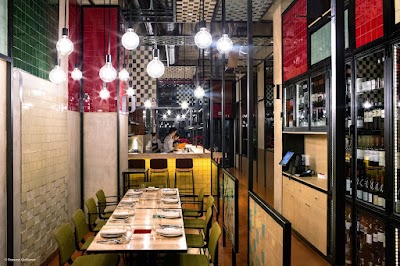
Disfrutar
€€€€Eixample
Run by three alumni of El Bulli, this restaurant offers some of the world's most creative, technically mind-bending tasting menus.
Signature — Multi-spherical pesto with pistachios and eel.
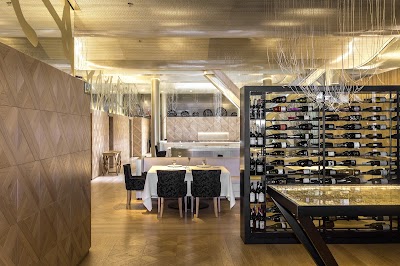
Lasarte
€€€€Eixample
Chef Martín Berasategui's elegant dining room combines Basque culinary precision with fresh Catalan ingredients.
Signature — Charcoal-grilled queen scallop with fermented black garlic cream.
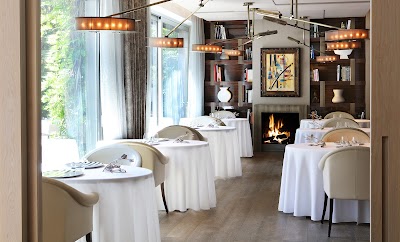
ABaC
€€€€Horta-Guinardó
Chef Jordi Cruz presents highly technical, visually dramatic avant-garde cuisine in a sleek, modern pavilion.
Signature — Bloody Mary prepared on a nitro-frozen tomato.
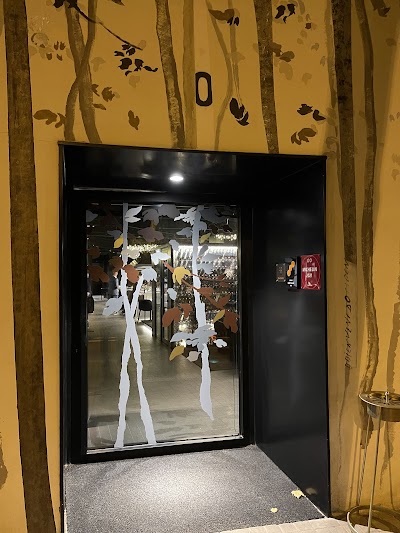
Cocina Hermanos Torres
€€€€Les Corts
The Torres twins have built an immersive dining space where guest tables are set directly around a massive, open central kitchen.
Signature — Cold onion soup with cured truffles.
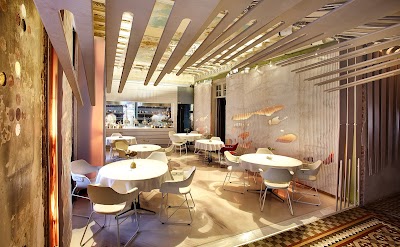
Alkimia
€€€€Eixample
Chef Jordi Vilà offers a highly intellectual, refined exploration of contemporary Catalan cuisine in a beautifully designed apartment.
Signature — Sea cucumber served with white beans.
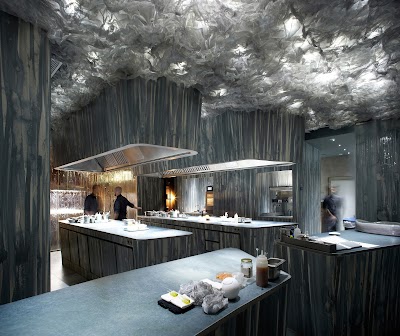
Enigma
€€€€Eixample
Albert Adrià's futuristic, high-concept space offers a constantly evolving menu of molecular bites and experimental cocktails.
Signature — Liquid nitrogen cocktail bites.
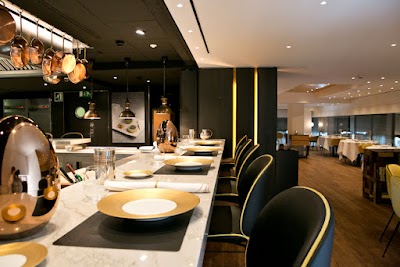
Caelis
€€€€Eixample
Chef Romain Fornell blends classic French culinary technique with contemporary Catalan flavors inside the Ohla Barcelona hotel.
Signature — Macaroni stuffed with foie gras and truffles.
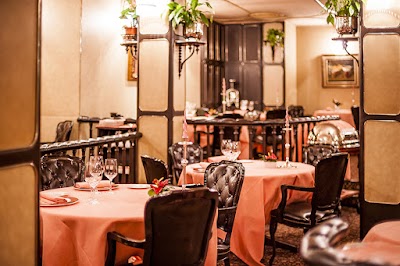
Via Veneto
€€€€Eixample
A grand, historic institution featuring Belle Époque decor and legendary, highly formal tableside service.
Signature — Roasted duck carved tableside.
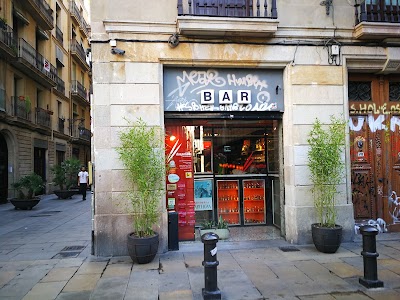
Dos Palillos
€€€€Raval
Chef Albert Raurich presents an exceptional fusion of Asian street food and Spanish tapas at a sleek wooden counter.
Signature — Steamed Iberico pork jowl bun.
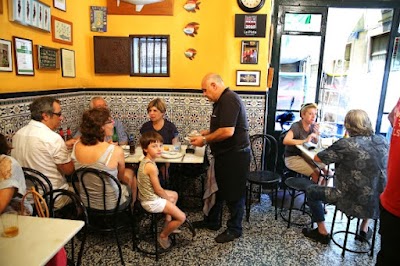
La Plata
€Gothic Quarter
A historic corner bar that has served only four simple, perfectly executed tapas since opening in 1945.
Signature — Fried pescadito (crispy, lightly battered anchovies).
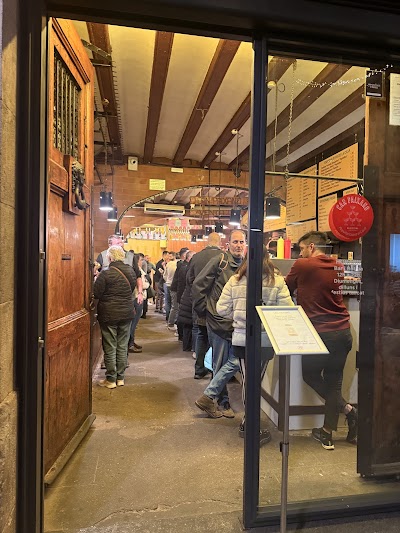
Can Paixano (La Xampanyeria)
€Barceloneta
A rowdy, packed standing-only bar serving cheap house sparkling wine alongside hot, griddled sausages.
Signature — Pork loin and cheese bocadillo paired with pink cava.
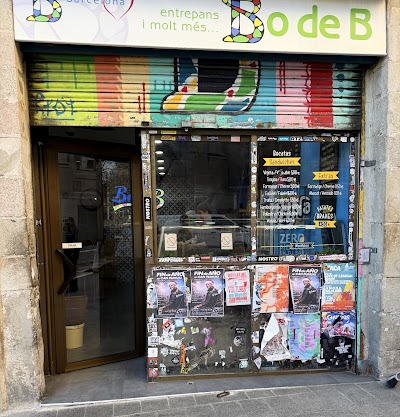
Bo de B
€Gothic Quarter
A tiny, legendary sandwich shop drawing long queues for its massive, custom-built baguettes filled with fresh meats and salads.
Signature — Hot chicken sandwich with custom sauces and lentils.
Kiosko Burger
€El Born
A popular spot serving thick, high-quality burgers made with local ingredients and creative toppings.
Signature — The Catalan burger, topped with goat cheese and caramelized onions.
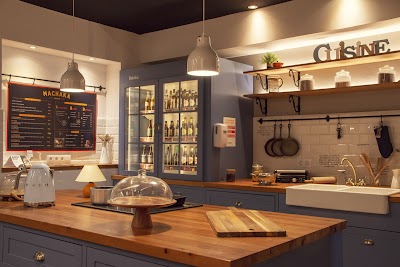
Bacoa Burger
€Barceloneta
A reliable local burger chain focusing on organic Pyrenean beef and homemade sauces.
Signature — La Bacoa burger, featuring manchego cheese.
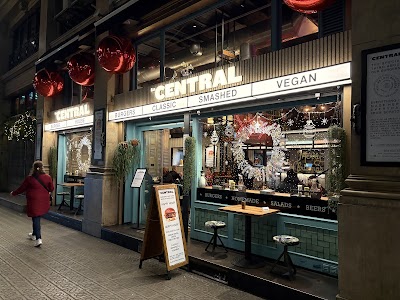
La Central Hamburguesería
€Via Laietana
An industrial-style burger joint offering excellent value, high-quality meats, and local craft beers.
Signature — Black Angus burger served with hand-cut fries.
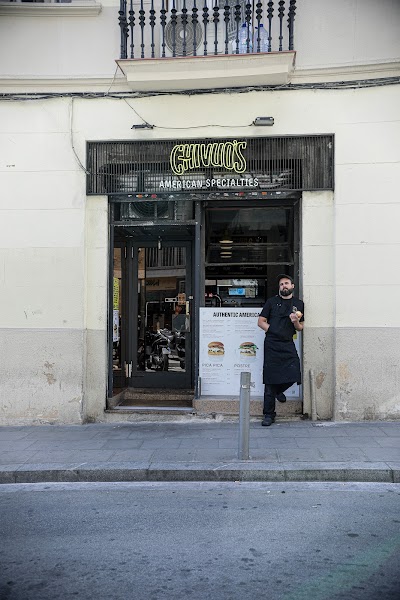
Chivuo's
€Gràcia
A cozy neighborhood spot specializing in slow-cooked street food and a curated selection of local craft beers.
Signature — Pulled pork sandwich.
Mosquito
€El Born
A highly popular, casual spot serving Asian-style tapas, dumplings, and craft beer at very reasonable prices.
Signature — Pork belly dumplings (xiao long bao).
Gelaaati Di Marco
€Gothic Quarter
An authentic Italian gelateria in the old town, using natural ingredients without artificial colorings.
Signature — Pistachio and dark chocolate gelato.
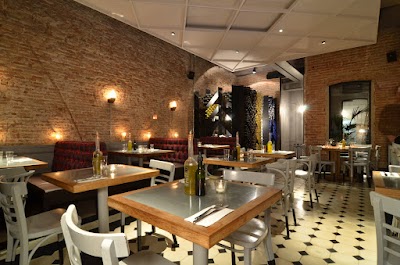
Teresa Carles
€€Raval
A pioneer of upscale vegetarian dining in the city, serving creative, seasonal dishes in a warm, brick-walled space.
Signature — Platter of artisanal, plant-based cheeses.
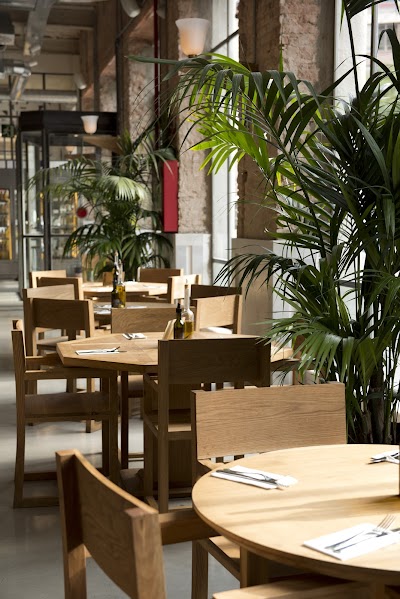
Flax & Kale
€€Raval
A trendy, beautifully designed 'flexitarian' restaurant focusing on plant-based dishes, cold-pressed juices, and sustainable fish.
Signature — Watermelon and feta salad with plant-based tuna.
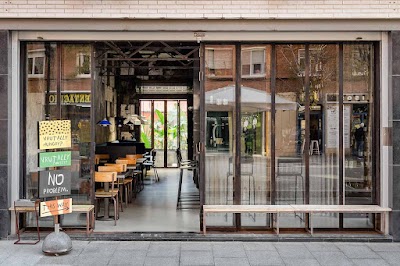
Vrutal
€€Poblenou
An edgy, industrial-style vegan burger joint serving rich, indulgent comfort food and creative cocktails.
Signature — The Vrutal burger, featuring pulled jackfruit and vegan cheddar.
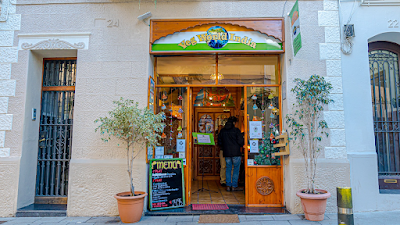
Veg World India
€€Gràcia
An authentic, highly regarded vegetarian Indian restaurant serving traditional dishes with many vegan options.
Signature — Palak Paneer prepared with vegan cheese.
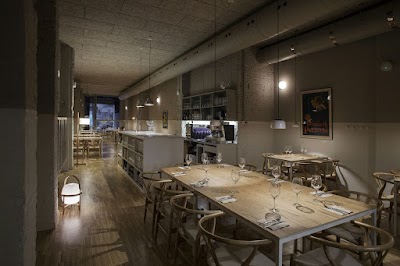
Gat Blau
€€Eixample
A sustainable, zero-waste restaurant offering an excellent, highly affordable vegetarian lunch menu based on local, organic produce.
Signature — Seasonal vegetable tempura served with romesco sauce.
Sésamo
€€Raval
A cozy, intimate vegetarian tapas bar offering a highly creative, multi-course tasting menu.
Signature — Cauliflower prepared with hazelnut praline.
After dark
Nightlife
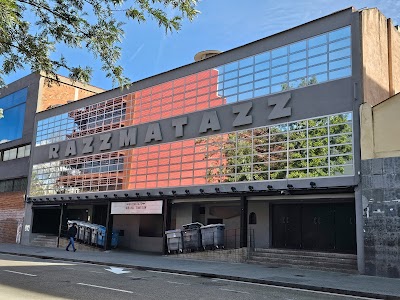
Razzmatazz
Poblenou
A massive, legendary five-room industrial warehouse club hosting everything from live rock gigs to underground techno.
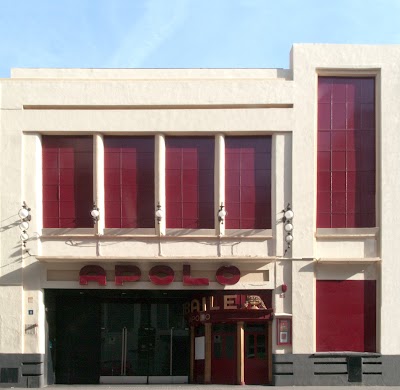
Sala Apolo
Poble Sec
A historic, former theater hosting legendary weekly club nights and live alternative music.
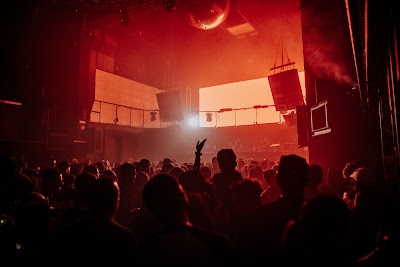
Input High Fidelity Dance Club
Montjuïc
An audiophile-focused techno temple located inside Poble Espanyol, featuring a state-of-the-art Funktion-One sound system.
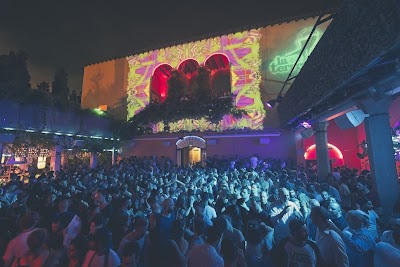
La Terrrazza
Montjuïc
An open-air club located inside a mock-historical village, active during the warm summer months.
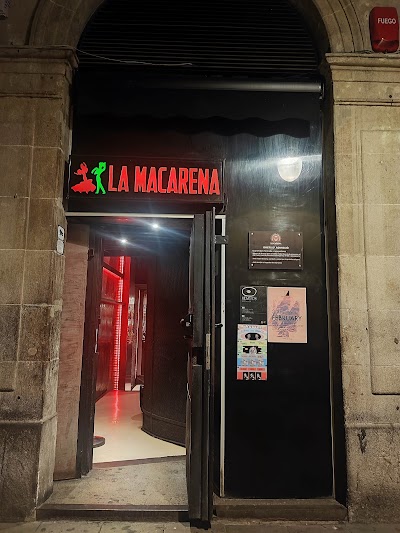
Macarena Club
Gothic Quarter
An intimate micro-club located in a former tavern, hosting local and international underground DJs.
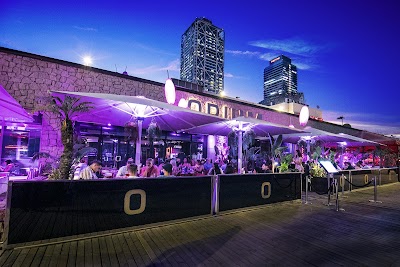
Opium Barcelona
Barceloneta
A glamorous beachfront mega-club drawing international DJs and a dressed-up crowd.
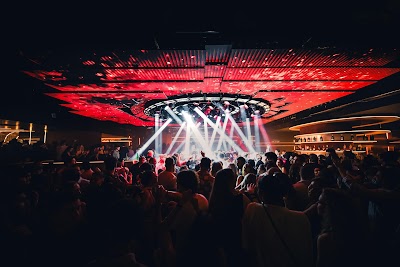
Sutton Club
Sarrià-Sant Gervasi
An exclusive, high-end club in the wealthy upper district of the city, requiring smart dress.
Moog
Raval
A compact, legendary techno basement operating since the 1990s, located just off La Rambla.
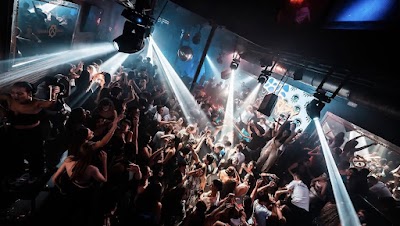
Otto Zutz
Gràcia
A multi-level club located in a former textile factory, featuring industrial design elements.
Sips
Eixample
An award-winning, boundary-pushing cocktail bar by Marc Álvarez and Simone Caporale, featuring no physical bar barrier between mixologists and guests.
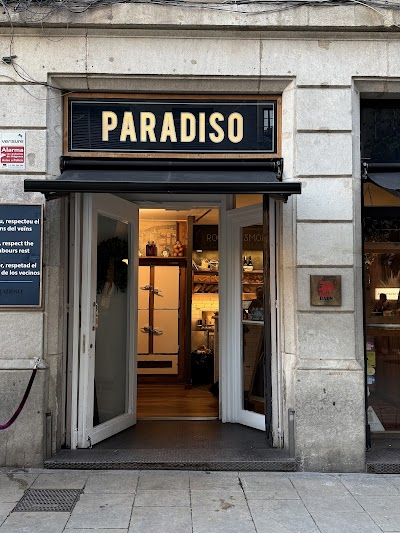
Paradiso
El Born
A world-renowned speakeasy hidden behind a retro pastrami shop door, featuring a dramatic curved wooden interior.
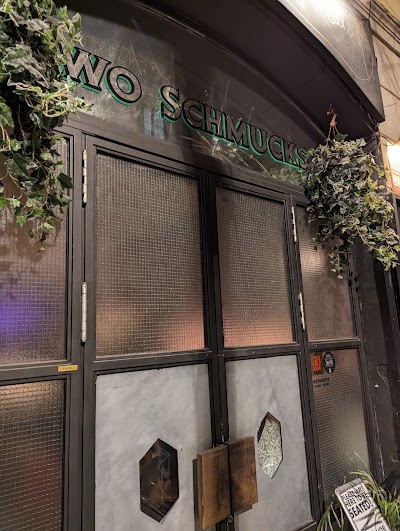
Two Schmucks
Raval
A self-described 'five-star dirtbag' bar serving world-class cocktails in a relaxed, punk-rock setting.
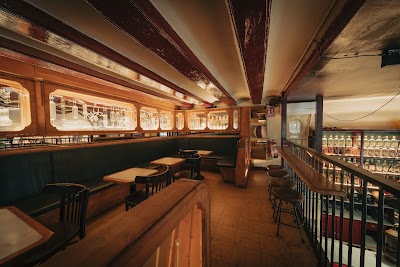
Dr. Stravinsky
El Born
An alchemist-themed bar focusing on house-fermented, distilled, and aged cocktail ingredients.
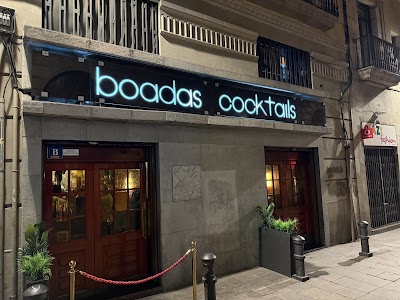
Boadas Cocktails
Raval
The city's oldest cocktail bar, founded in 1933 by a bartender from Havana's El Floridita.
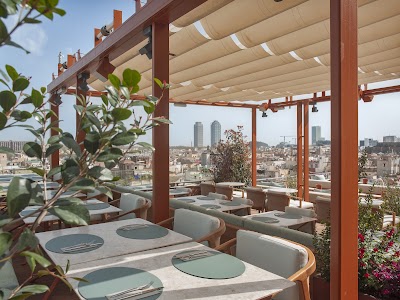
Skybar at Grand Hotel Central
Gothic Quarter
A rooftop bar overlooking the old city, featuring an infinity pool and excellent sunset views.
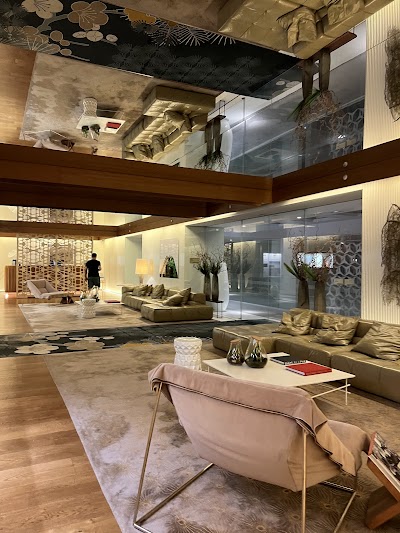
Terrat at Mandarin Oriental
Eixample
A high-end rooftop bar offering panoramic views of the city alongside Peruvian bites by Gastón Acurio.
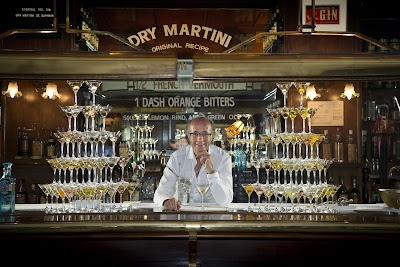
Dry Martini
Eixample
Javier de las Muelas' legendary cocktail institution, famous for its digital counter tracking every martini served.
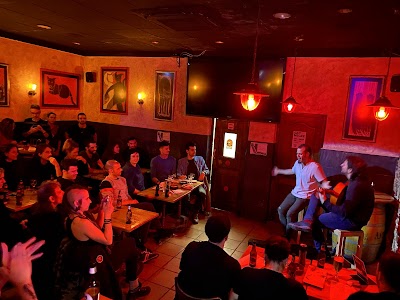
Gat Negre
Gràcia
A cozy neighborhood cocktail bar focusing on local vermouths and simple, well-made classic drinks.
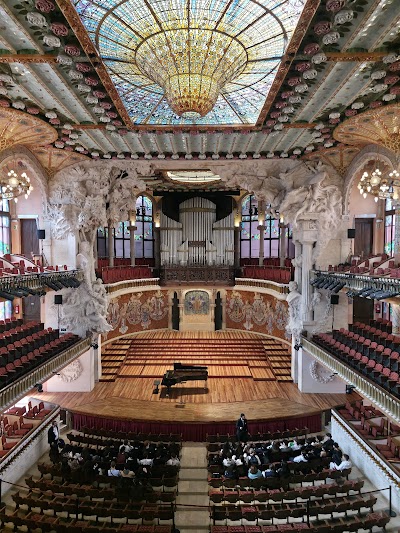
Palau de la Música Catalana
El Born
A breathtaking, UNESCO-listed Modernista concert hall designed by Lluís Domènech i Montaner.
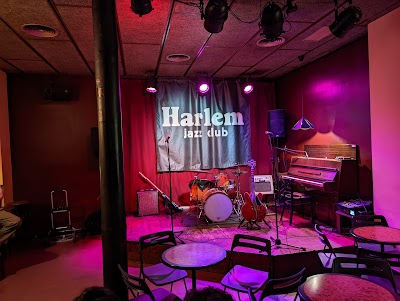
Harlem Jazz Club
Gothic Quarter
An intimate, legendary venue hosting jazz, blues, swing, and world music in the heart of the old town.
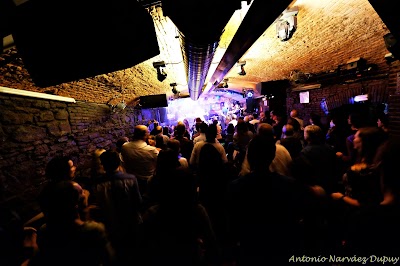
Jamboree
Gothic Quarter
A historic basement jazz club on Plaça Reial that has hosted global jazz legends since the 1960s.
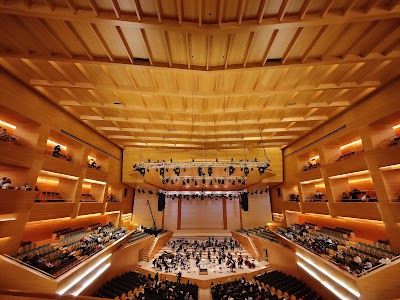
L'Auditori
Poblenou
A modern, state-of-the-art concert hall complex hosting the local symphony orchestra and contemporary music festivals.
Gran Teatre del Liceu
Raval
The city's historic opera house on La Rambla, featuring opulent 19th-century gold-leaf decor.
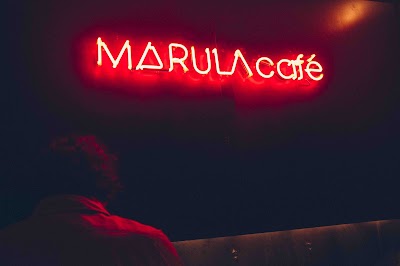
Marula Café
Gothic Quarter
A lively club hosting live soul, funk, and afrobeat bands followed by vinyl-only DJ sets.
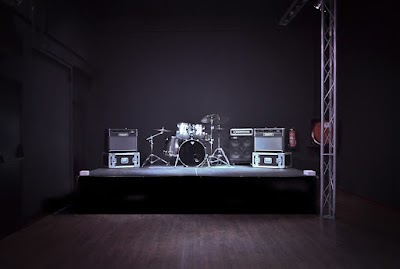
La Nau
Poblenou
A converted industrial space hosting emerging indie, rock, and electronic artists.
Art & history
Culture
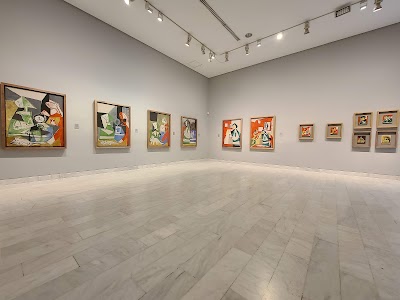
Picasso Museum
El Born
Houses one of the most extensive collections of artworks by Pablo Picasso, focusing on his formative years and his relationship with Barcelona.
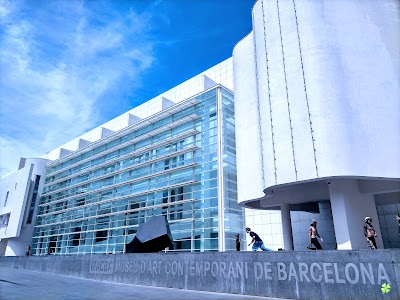
MACBA (Museum of Contemporary Art)
Raval
A striking white building designed by Richard Meier, housing an impressive collection of late 20th-century art.
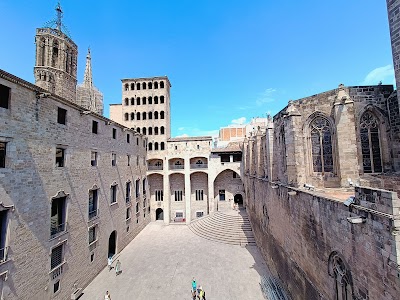
MUHBA (Barcelona City History Museum)
Gothic Quarter
Allows visitors to walk through the excavated streets, sewers, and workshops of Roman Barcino directly beneath a medieval palace.
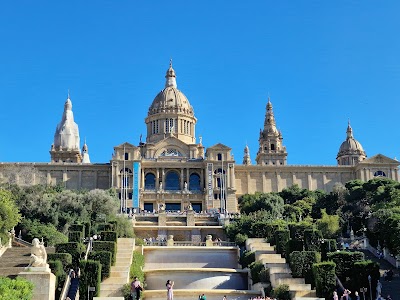
MNAC (National Art Museum of Catalonia)
Montjuïc
Housed in the grand Palau Nacional, it features an unrivaled collection of Romanesque church frescoes rescued from Pyrenean churches.
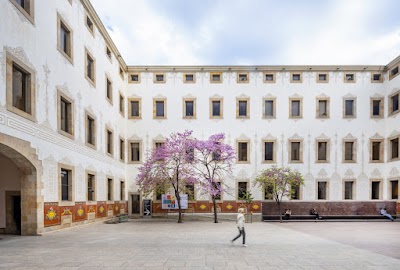
CCCB (Centre de Cultura Contemporània de Barcelona)
Raval
A multidisciplinary arts center focusing on contemporary urban culture, technology, and social issues.
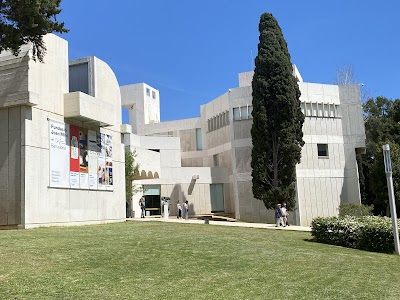
Joan Miró Foundation
Montjuïc
A purpose-built museum designed by Josep Lluís Sert, housing a vast collection of Miró's colorful, surrealist works.
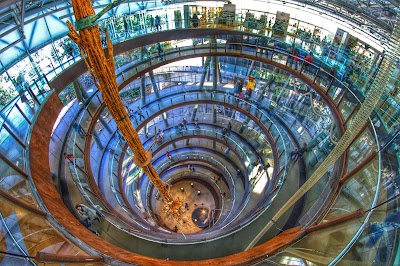
CosmoCaixa
Sarrià
An outstanding interactive science museum featuring a massive, indoor flooded Amazon rainforest ecosystem.
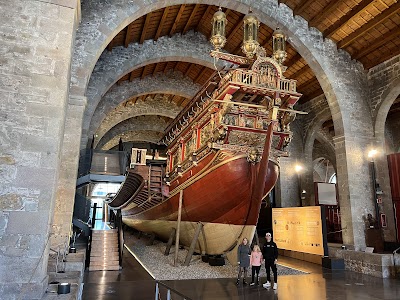
Maritime Museum (Museu Marítim)
Raval
Housed in the magnificent medieval royal shipyards, showcasing the city's long history of Mediterranean maritime power.
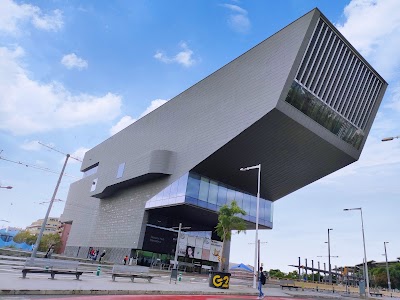
Design Museum (Museu del Disseny)
Poblenou
A modern building housing extensive collections of graphic, fashion, product, and decorative arts.
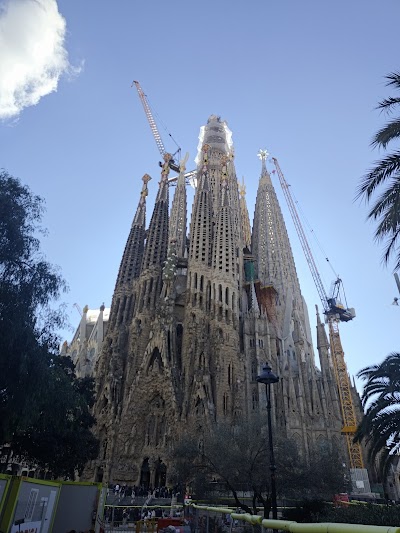
Sagrada Família
Eixample
Gaudí's unfinished temple, a forest of stone columns and stained glass that filters light into a brilliant spectrum.
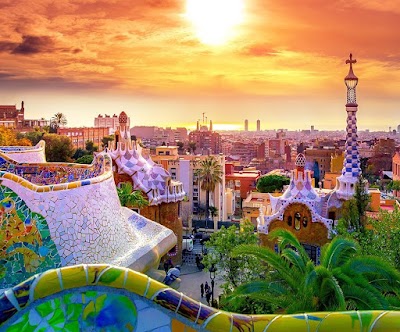
Park Güell
Gràcia/Horta
A whimsical garden city featuring colorful mosaic terraces, organic stone colonnades, and panoramic city views.
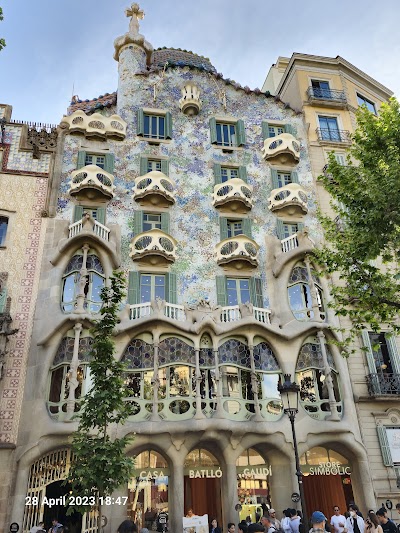
Casa Batlló
Eixample
Gaudí's marine-inspired residential masterpiece on Passeig de Gràcia, featuring a roof shaped like a dragon's back.
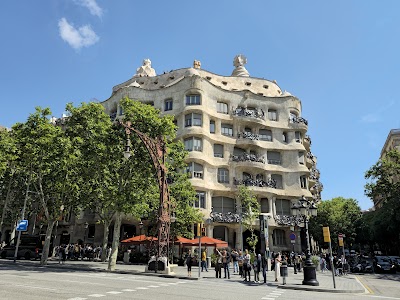
La Pedrera (Casa Milà)
Eixample
An undulating stone apartment building with a surreal, chimney-studded rooftop that resembles a desert landscape.
Palau de la Música Catalana
El Born
Lluís Domènech i Montaner's breathtaking Modernista concert hall, featuring a massive, inverted stained-glass skylight.
Hospital de Sant Pau
Eixample
The world's largest Art Nouveau complex, designed by Domènech i Montaner as a garden hospital to soothe patients.
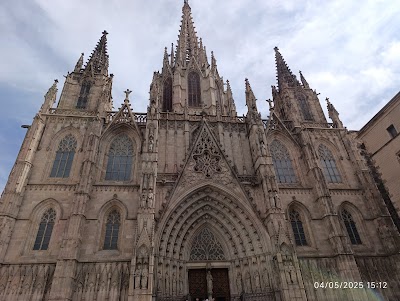
Barcelona Cathedral (La Seu)
Gothic Quarter
A soaring 14th-century Gothic cathedral with a cloister home to thirteen white geese representing the age of Saint Eulalia.
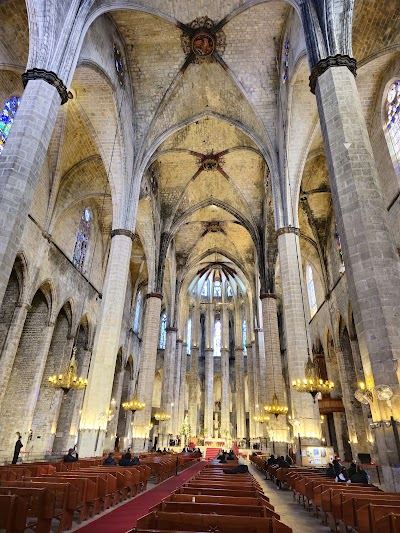
Santa Maria del Mar
El Born
A pure, elegant example of Catalan Gothic architecture built by medieval merchants and neighborhood harbor workers.
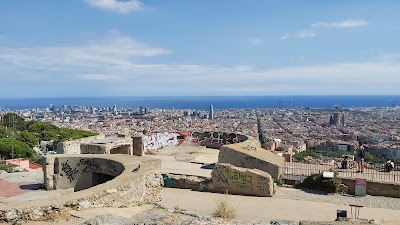
Carmel Bunkers
Carmel
A former Spanish Civil War anti-aircraft battery offering the most complete 360-degree views of the city grid meeting the sea.
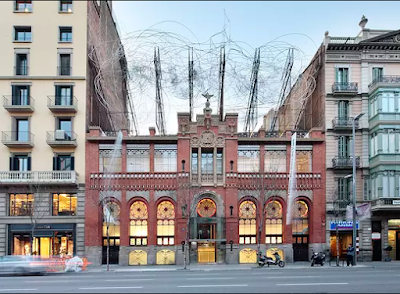
Fundació Antoni Tàpies
Eixample
Dedicated to the life and work of the famous Catalan contemporary artist, housed in a historic industrial Modernista building.
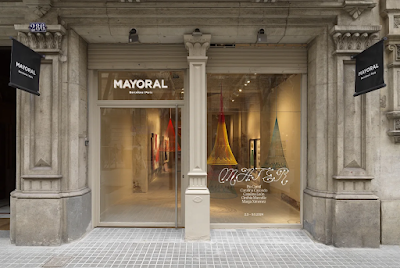
Galeria Mayoral
Eixample
A high-end gallery showcasing museum-quality exhibitions of modern Spanish masters including Miró, Picasso, and Tàpies.
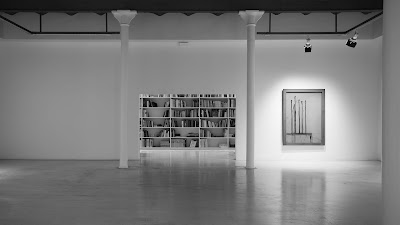
Galeria Joan Prats
Eixample
One of the city's pioneer contemporary art galleries, operating since 1976 and representing established international artists.
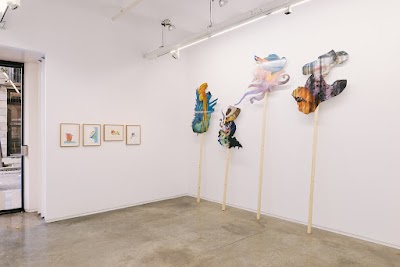
Àngels Barcelona
Raval
Focuses on conceptual, video, and experimental art that challenges political and social structures.
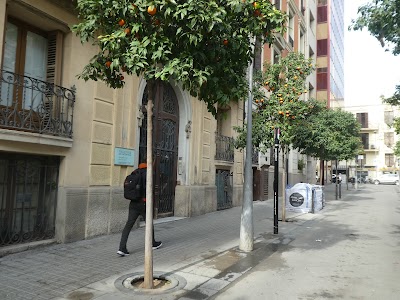
ProjecteSD
Eixample
A highly respected gallery showcasing international contemporary artists, focusing on dialogue and artistic research.
Galeria Senda
Eixample
Showcases established and emerging international contemporary artists across various mediums.
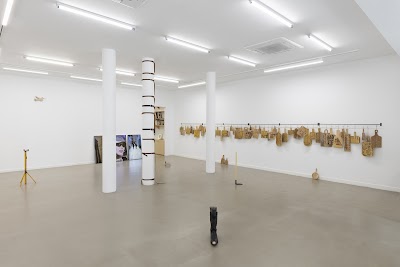
Bombon Projects
Eixample
A young, energetic gallery focusing on emerging local and international talent with fresh perspectives.
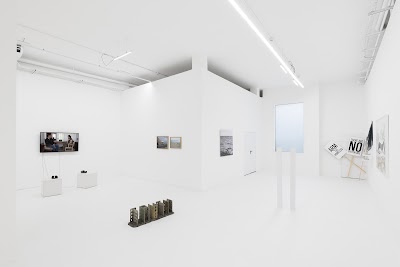
ADN Galeria
Eixample
Focuses on socially and politically engaged art, presenting provocative and conceptual exhibitions.
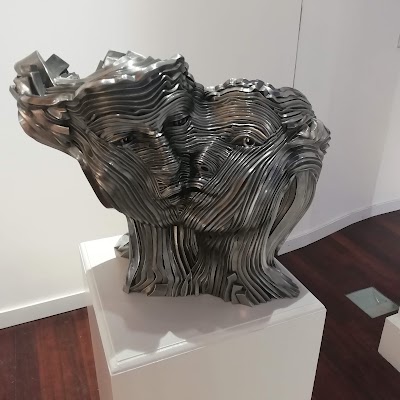
Villa del Arte Galleries
Gothic Quarter
Showcases a diverse range of contemporary painting, photography, and sculpture by local and international artists.
Book ahead
Top-rated experiences in Barcelona

Montserrat Private Tour from Barcelona with Pick-up
from $183

Costa Brava Tour: Tossa de Mar Easy Hike & Snorkel from Barcelona
from $100

Costa Brava Tour with Kayak, Lagoon Snorkeling & Rock Jumps
from $106

The Ultimate Old Town Tour in Barcelona
from $90

Barcelona Unique Private Luxury Sailing Tour (max 12 people)
from $413

Barbecue in a penthouse in the center of Barcelona with a chef
from $103

Elevate Your Photography - Barcelona Private Tour & Workshop
from $117

Private Tailored Barcelona Walking Tour
from $537
Prices from Viator; we may earn a commission when you book — at no extra cost to you. Tours are sold and operated by Viator, the merchant of record. Ratings are collected by Viator and Tripadvisor.
Timing
When to visit
Spring
Temperatures are mild, outdoor terraces fill with locals, and major music festivals begin. It is an excellent time for walking the city before the summer heat sets in.
Summer
Hot and highly humid. August is particularly quiet for local businesses as residents flee the city, leaving the central districts dominated almost entirely by tourists.
Autumn
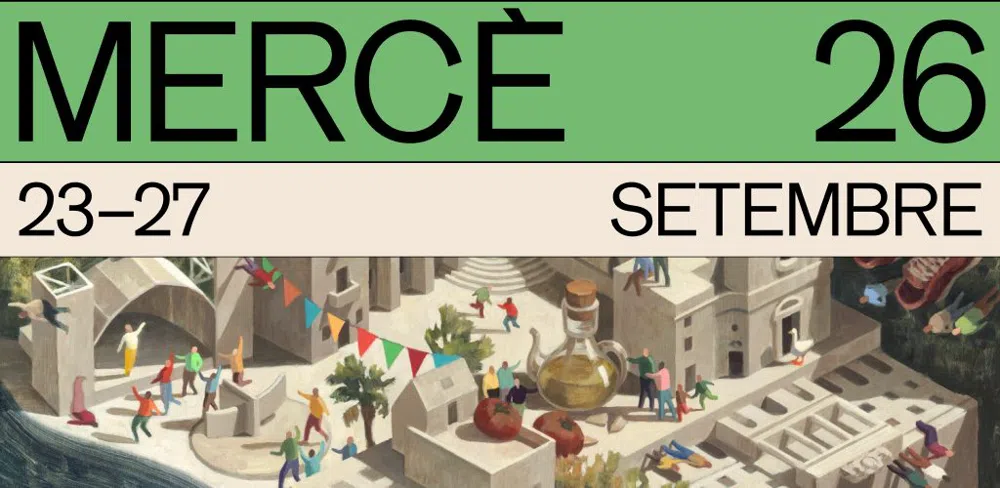
The sea remains warm enough for swimming through September. The city celebrates its patron saint with the massive, free street festivals of La Mercè in late September.
Winter
Crisp, sunny, and chilly. Tourist numbers drop significantly, making it the best season to visit major architectural landmarks and museums without long queues.
What it costs
Budgeting
Logistics
Getting around
From the airport
El Prat Airport (BCN) is highly accessible. The R2 Nord train runs every 30 minutes from Terminal 2 directly to Sants and Passeig de Gràcia stations. Metro Line 9 Sud connects both terminals to the wider network but requires a specific airport ticket. The Aerobús runs frequently to Plaça Catalunya, while the N18 night bus covers late-night arrivals.
Public transit
The network is operated by TMB and FGC, consisting of fast, air-conditioned metro lines, trams, and an extensive bus system. The entire city center lies within Zone 1 of the integrated fare system.
Passes & tickets
The T-casual card (€13 for 10 rides, Zone 1) is the most practical option for individual travelers, allowing free transfers between metro and buses within 75 minutes. For families or small groups, the shareable T-familiar (€11.50 for 8 rides) is a solid alternative. Avoid expensive multi-day tourist passes unless you plan to ride transit constantly.
On foot
The historic center (Ciutat Vella) and the flat grid of the Eixample are highly walkable. Most major sights are within walking distance of each other, though the slight incline toward the hills can be tiring.
Travel smart
Safety & etiquette
Local etiquette
- •Do not wear swimwear or go shirtless anywhere outside the beach; locals find this highly disrespectful.
- •Catalan is the primary local language; while everyone speaks Spanish, learning a few Catalan words ('Si us plau' for please, 'Gràcies' for thank you) is highly appreciated.
- •Do not order sangria at local restaurants; it is considered a tourist trap. Order 'vermut' or 'cava' instead.
- •Tipping is not mandatory; leaving a few coins or rounding up to the nearest euro for good service is standard.
From the ground
Practical tips
1
Buy a T-casual transit card instead of single tickets; it saves money and allows free transfers within 75 minutes.
2
Look for the 'menú del día' at lunchtime (13:30 to 16:00) for a high-quality, three-course meal at a fraction of dinner prices.
3
Avoid eating on La Rambla; the food is overpriced, low-quality, and targeted entirely at tourists. Walk two blocks into El Born or El Raval instead.
4
When using the metro, loop your backpack strap around your leg if sitting, or wear it on your front when standing.
5
Many museums, including the Picasso Museum and MNAC, offer free entry on the first Sunday of every month, but you must reserve these free tickets online in advance.
6
Water from the tap is safe to drink but has a strong chlorine taste; locals prefer bottled or filtered water.
7
Most shops and supermarkets are closed on Sundays due to local laws; plan your shopping accordingly.
8
To experience authentic Catalan culture, look for menus that spell tapas as 'tapes'—this indicates a venue catering primarily to locals.
Barcelona FAQs
Is Barcelona safe for solo travelers?
Yes, violent crime is extremely rare, but petty theft is incredibly common. Keep your wits about you, secure your bags, and avoid dark, empty alleys in El Raval or the Gothic Quarter late at night.
Can I get by with only Spanish?
Yes, everyone is bilingual in Catalan and Spanish, and English is widely spoken in tourist areas. However, signs and menus are often primarily in Catalan.
Do I need to book Gaudí sights in advance?
Yes, booking weeks or even months in advance is mandatory for the Sagrada Família and Park Güell, as walk-up tickets are rarely available.
Is the beach in Barcelona good?
Barceloneta beach is crowded, noisy, and prone to sellers. For a cleaner, more relaxed swim, walk further north to Bogatell or Mar Bella beaches, or take a train to Sitges.
What is the local tipping culture?
Tipping is entirely optional. Locals rarely tip more than loose change or rounding up the bill at casual eateries, though 5-10% is appreciated in high-end restaurants.