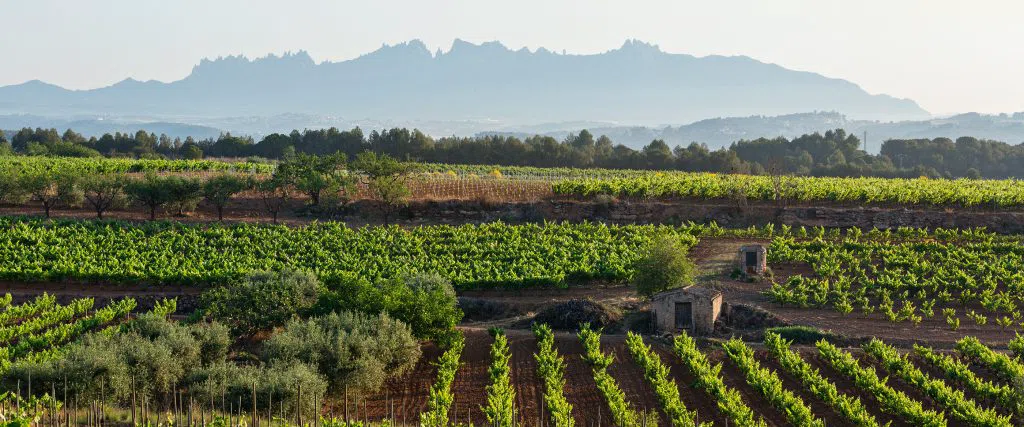

The cava houses along the tourist buses' usual loop pour something drinkable and call it a day out. Twenty minutes further into the same hills, the story changes completely: biodynamic vineyards worked by hand, still wines that never see a bubble, and family cellars now on their ninth generation who never asked to be famous. Penedès does not need the cava label to justify the drive from Barcelona — it has its own case to make, and it is a better one.
Most day-trip itineraries out of the city treat Penedès as a single stop: one industrial cava house, a cellar tour on rails, a souvenir bottle at the gift shop, back on the bus. That version exists because it is easy to sell in bulk, not because it is what the region actually does best. The wineries below were chosen because none of them fit that template — they are biodynamic estates, single-family cellars, and still-wine specialists who would rather talk about soil than throughput. Treat this as a menu to build a day from, not a checklist to clear; two or three stops, chosen with a little care about who they suit, will tell you more about Penedès than five rushed ones ever could.
Corpinnat, Not Cava: The Houses That Broke Away
Recaredo (Sant Sadurní d'Anoia) is the cleanest version of this argument. In 1924 it started as a cava house; today it is Corpinnat, the designation a handful of growers created specifically to separate themselves from the industrial cava model, and it has farmed biodynamically since the 1990s — decades before biodynamic became a marketing word. There is no tasting bar to wander into. Visits run as guided two-hour sessions by reservation only, a format that suits couples up to mid-size groups rather than a coach party, and cost €35-60 per person depending on which cuvées you taste. Book at least a few days out in peak season; this is a cellar that wants your attention for two hours, not five minutes between stops.
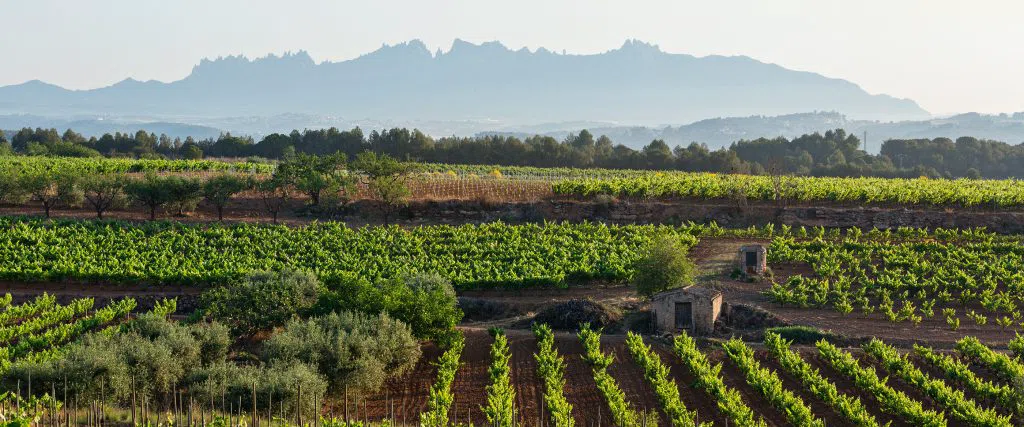
Gramona (Celler Batlle, Sant Sadurní d'Anoia) tells a parallel story from one of the founding families of the anti-industrial-cava movement. The house ages its wines far longer than the regulatory minimum and keeps dosage levels low enough that the base wine has nowhere to hide — which is the point. Small groups are taken by appointment, and there is also a pairing-lunch format for slightly larger parties who want the tasting extended into a full meal. Pricing runs €30-90 per person depending on whether you book the standard tour or a full pairing tier. Like Recaredo, this is not a drop-in address; call ahead.
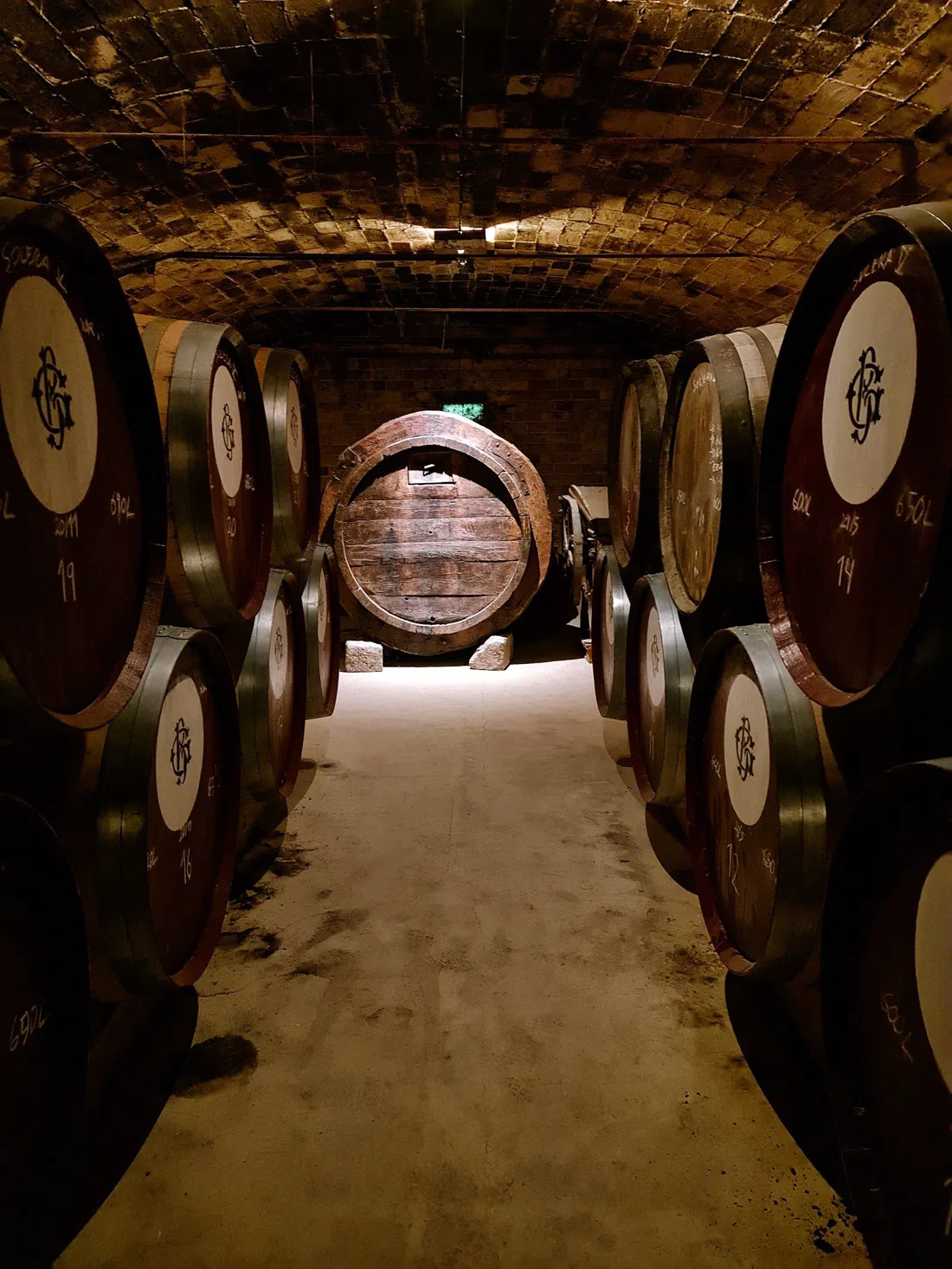
Taste these two back to back if you only have time for one pairing, and the "beyond cava" argument makes itself: same grapes, same hills, a completely different philosophy.
Terroir Without the Bubbles
If Corpinnat proves Penedès sparkling wine can be serious, Can Ràfols dels Caus (Avinyonet del Penedès) proves the region does not need bubbles at all. This single-estate winery makes still whites and reds that stand on Penedès terroir alone, with no cava in the range. Groups are capped small — from roughly seven up to fifteen depending on which tier you book — and advance booking is required; there is no walk-in tasting room. Entry point is a €40 tasting, rising to €378 for the full 4x4 Terroir Visit, capped at seven people, which drives the vineyard blocks themselves rather than just the cellar. For a reader who wants to understand why Penedès terroir is discussed in the same breath as Priorat or Montsant, this is the estate that makes the case in the glass rather than in the marketing copy.
The Organic Vanguard
Albet i Noya (Sant Pau d'Ordal) is where the origin story of organic Penedès actually starts — the winery brought organic viticulture to Spain in the late 1970s, when the idea was closer to eccentric than fashionable. It now runs the most accessible visiting format on this list: fixed small-group tour slots daily at 11am and 1pm, standard tour €25, no need to assemble a private party. For readers without a car, there is also an e-bike-and-brunch option at €75 that starts from the train station itself, which makes this the single best pick for a car-free day trip.
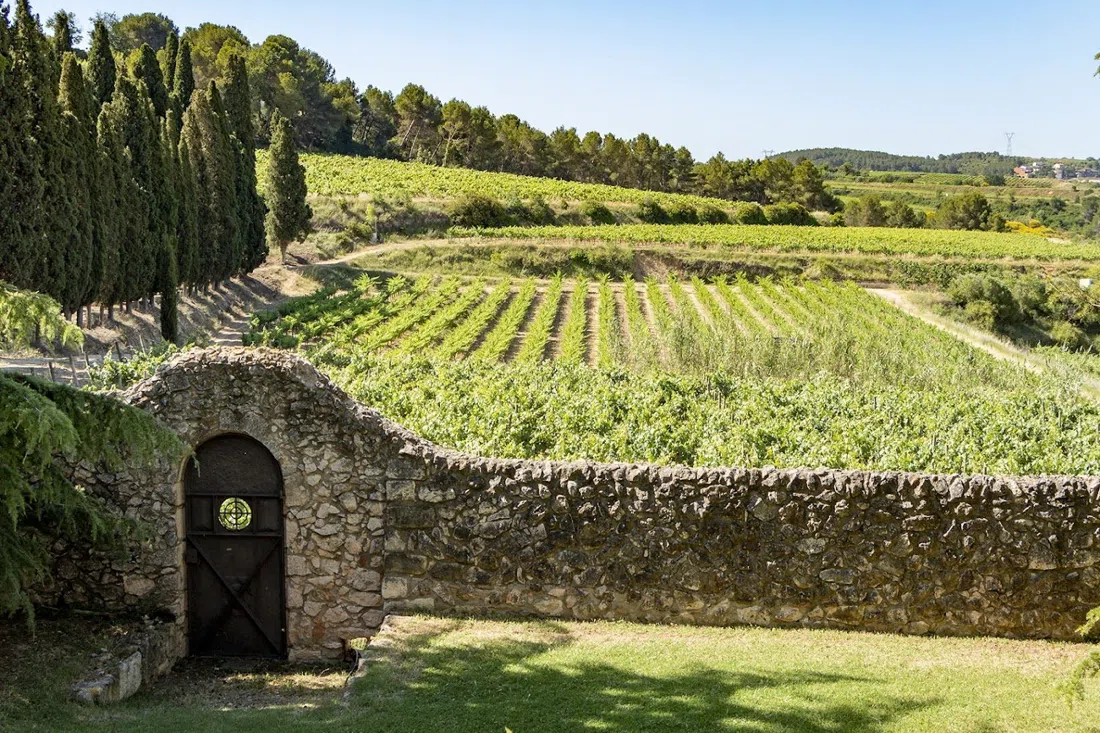
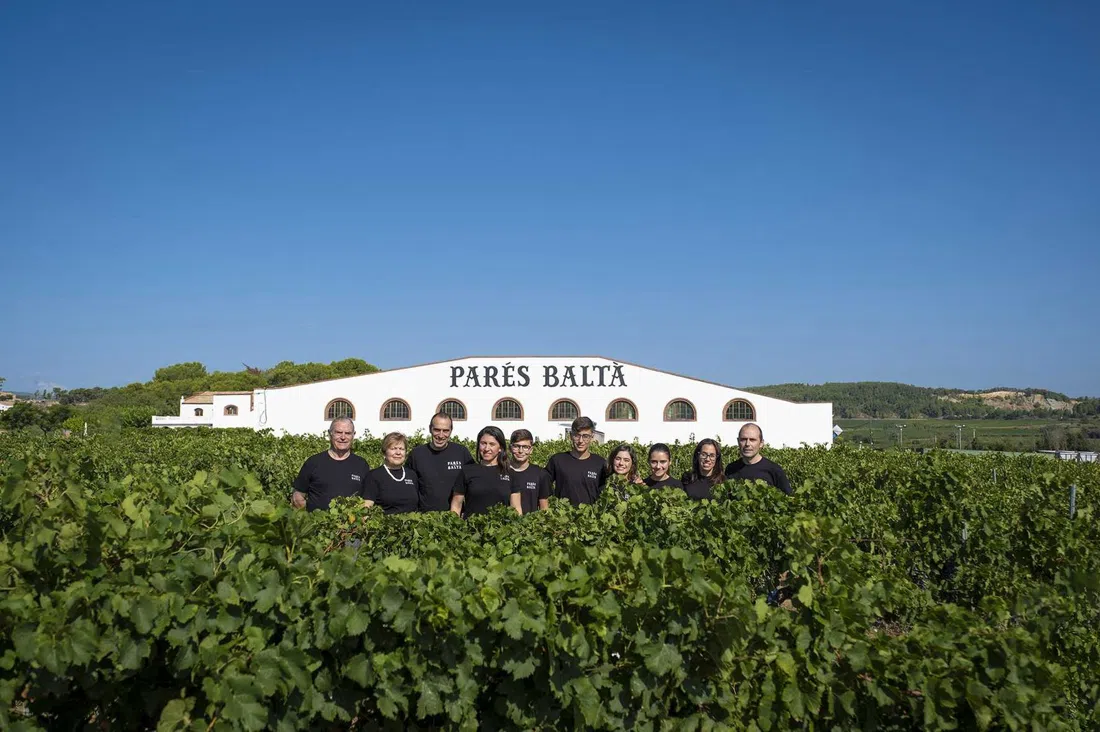
Parés Baltà (Pacs del Penedès) has farmed biodynamically since converting the estate, and has done it without adopting the price tag some of its more boutique neighbours charge. Family-run since 1790, and a World's Best Vineyards entrant, it welcomes small groups comfortably and offers a chocolate-and-cheese pairing alongside 4x4 add-ons for larger parties, from €25 up to €70 per person depending on the experience chosen.
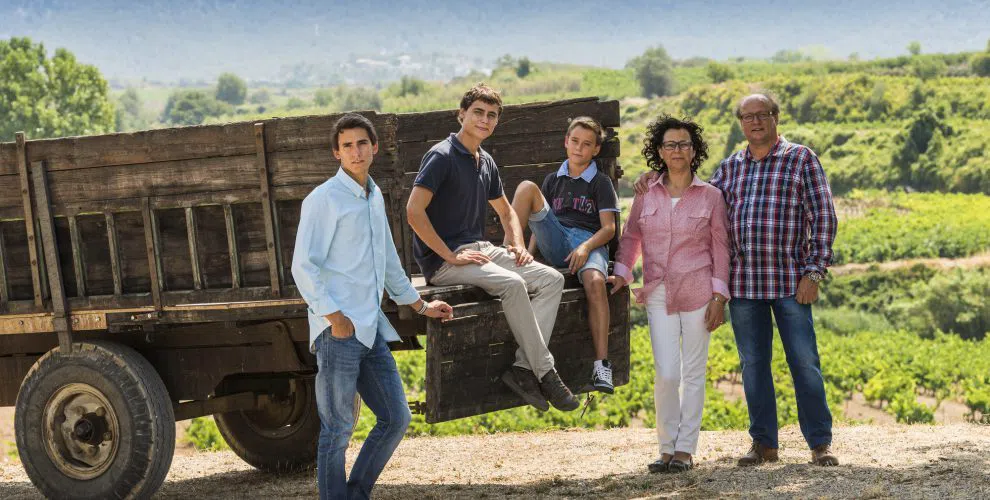
Celler Eudald Massana Noya (Sant Pau d'Ordal) is the pick to seek out deliberately rather than stumble on. Nine generations of one family have worked this cellar with zero industrial cava branding attached to the name, and the tastings are run hands-on and personal — best for couples or groups under about ten, since there is no scale here to absorb a bigger party comfortably. At €26-39 per person it is also the best value biodynamic tasting on this list.
Pair any two of these three and the contrast is worth the drive on its own: Albet i Noya's fixed daily slots show what organic viticulture looks like once it has scaled into a proper visitor operation, while Celler Eudald Massana Noya shows what it looks like when a family has simply kept doing the same thing for nine generations without ever building a visitor operation at all. Parés Baltà sits between the two, biodynamic but comfortable hosting a group of eight or ten without the visit feeling like an intrusion on a family kitchen.
For Bigger Groups: Estates Built to Host
Not every travelling party is a pair of wine obsessives, and three estates on this list are built specifically around hosting more people without the visit feeling rushed.
Miquel Jané (Sant Quintí de Mediona) runs structured group tours that combine a walk through the vines, the cellar, a tasting, and a regional lunch on-site, with 4x4, bike, or segway add-ons for groups who want to make a full day of it. Tour-and-tasting pricing sits around €25-45 per person, more once lunch is added — worth treating as the one-stop lunch-plus-tasting venue for a group day trip rather than a quick tasting stop.
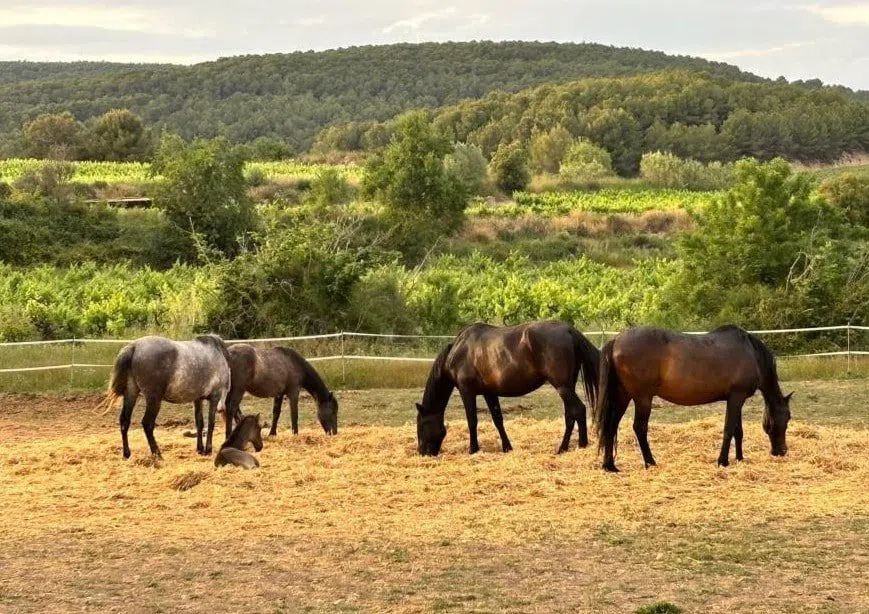
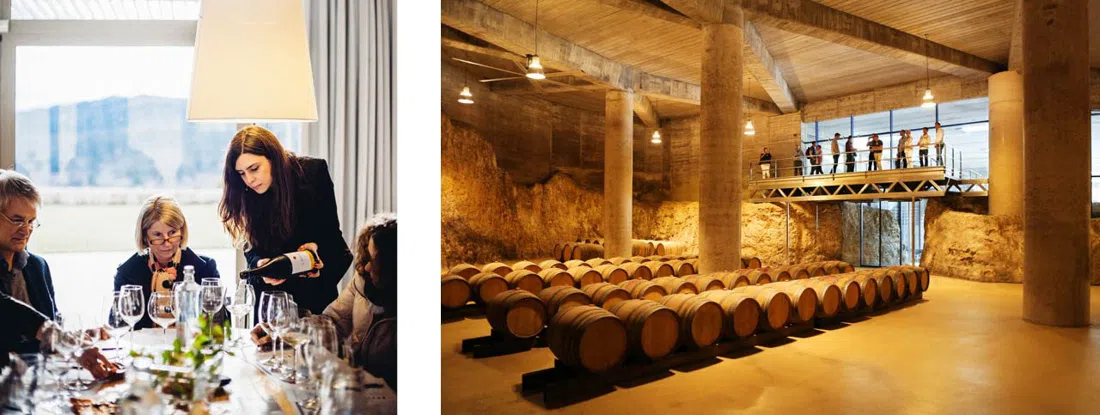
Rovellats (Sant Martí Sarroca) has documented medieval origins and an underground cellar that is architecturally unlike anything else on this list — reason enough to visit even before the wine. Multiple tour tiers scale from basic through breakfast, premium, bike, and a Mehari-jeep option, all reservation-required, at €25-70 per person depending on tier.

Sumarroca (Subirats) is the practical choice if the group is ten or more and needs guaranteed capacity rather than a squeeze-in. Saturday morning slots explicitly require a minimum of ten people, while weekday tours run at smaller scale too, at €20-35 per person — the most straightforward booking of the group-focused estates.
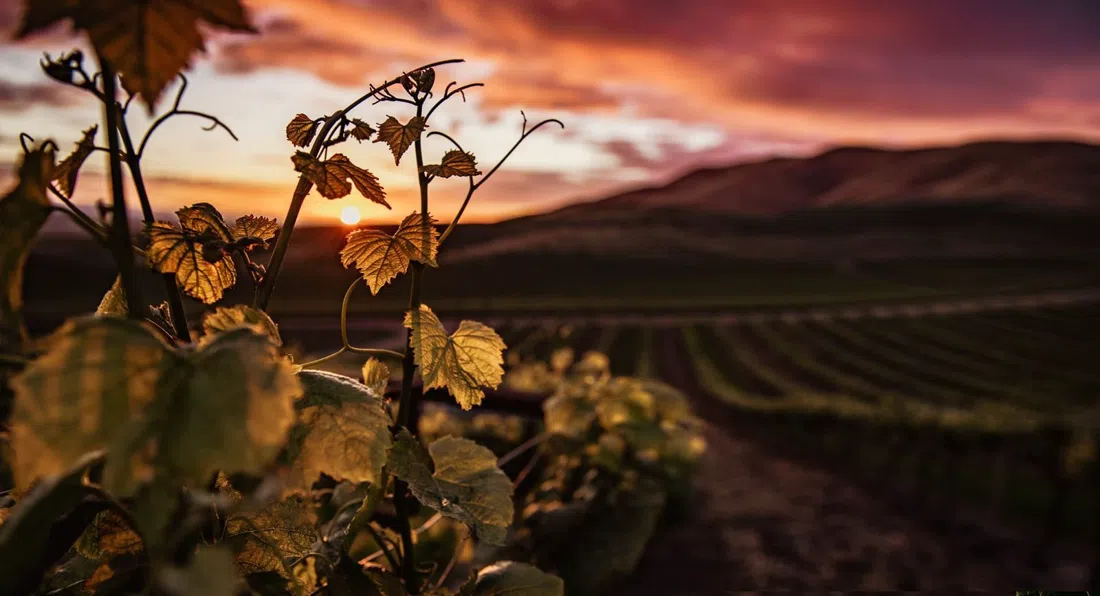
None of this means the group-focused estates are a compromise on quality — Rovellats' underground cellar and documented medieval history would justify the stop even for a couple travelling alone. It means the logistics of hosting fifteen or twenty people have been solved here in a way they simply have not at Recaredo or Celler Eudald Massana Noya, where the whole point is a small, unhurried room. Match the estate to the size of the party before booking, not the other way around, and nobody spends the afternoon waiting on a tour designed for a different headcount.
Beyond the Vines: History, Chocolate and a Castle View
A day built entirely around cellar visits gets monotonous by the third pour, however good the wine. Three stops break the rhythm without breaking the theme.
VINSEUM — Museu de les Cultures del Vi de Catalunya (Vilafranca del Penedès) is a ten-minute walk from the train station, which makes it the obvious first or last stop for anyone arriving without a car. Entry is €8-10, includes an audioguide and tastings, and works either self-guided or as a booked group tour. Go before the cellar visits and the rest of the day makes more sense; go after and it puts what you have just tasted into two thousand years of context.
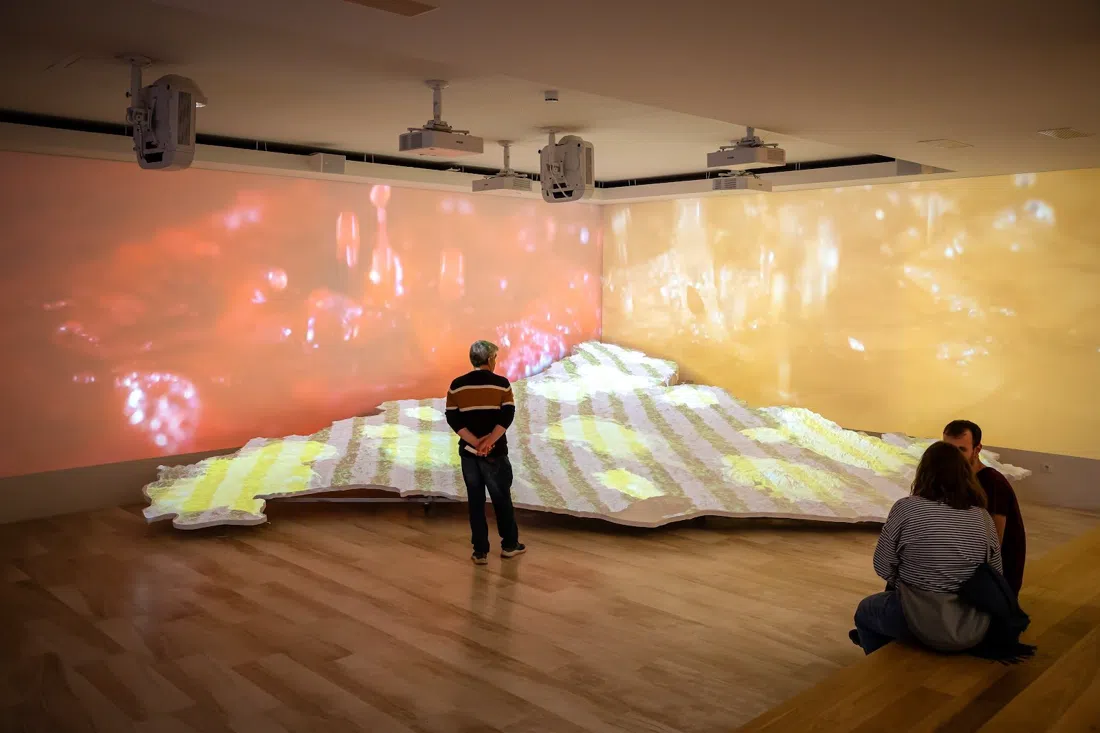
Espai Xocolata Simón Coll (Sant Sadurní d'Anoia) is the deliberate non-wine beat of the day — a guided chocolate factory visit at €12-15 per person, commonly paired on group itineraries with the cava houses in the same town. It is a genuinely useful palate reset between tastings, not a tourist-trap add-on.

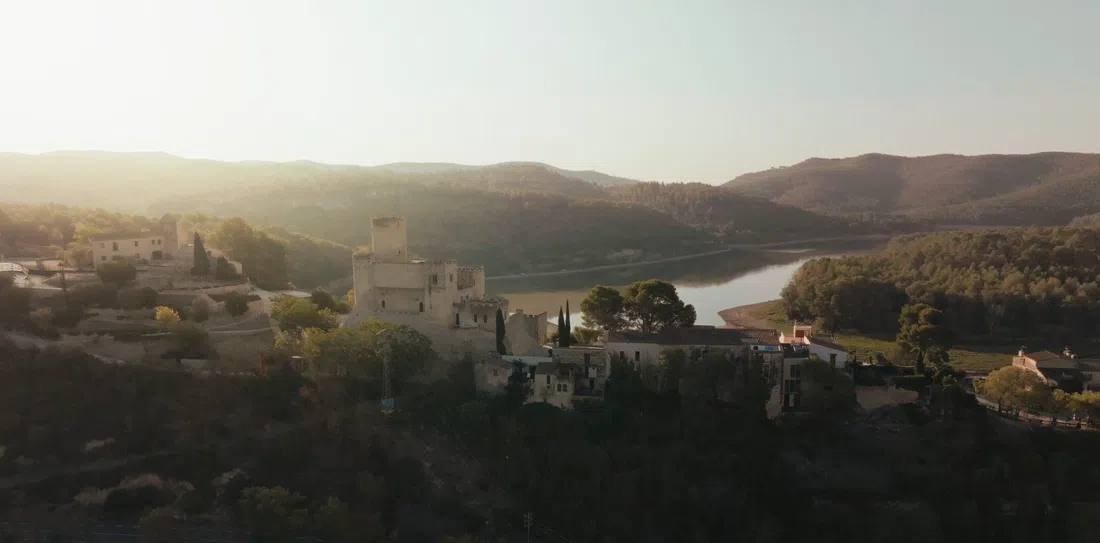
Castellet Castle & old town (Castellet i la Gornal) is free to wander at any time and worth building the afternoon around: vines run right up to a reservoir shoreline below a real medieval hilltop village, not a winery gift-shop backdrop dressed up to look old. In June 2026 the village hosts its medieval fair, which needs no booking but does get busy — go early or go on a different day if crowds aren't the point of the visit.
Where to Eat
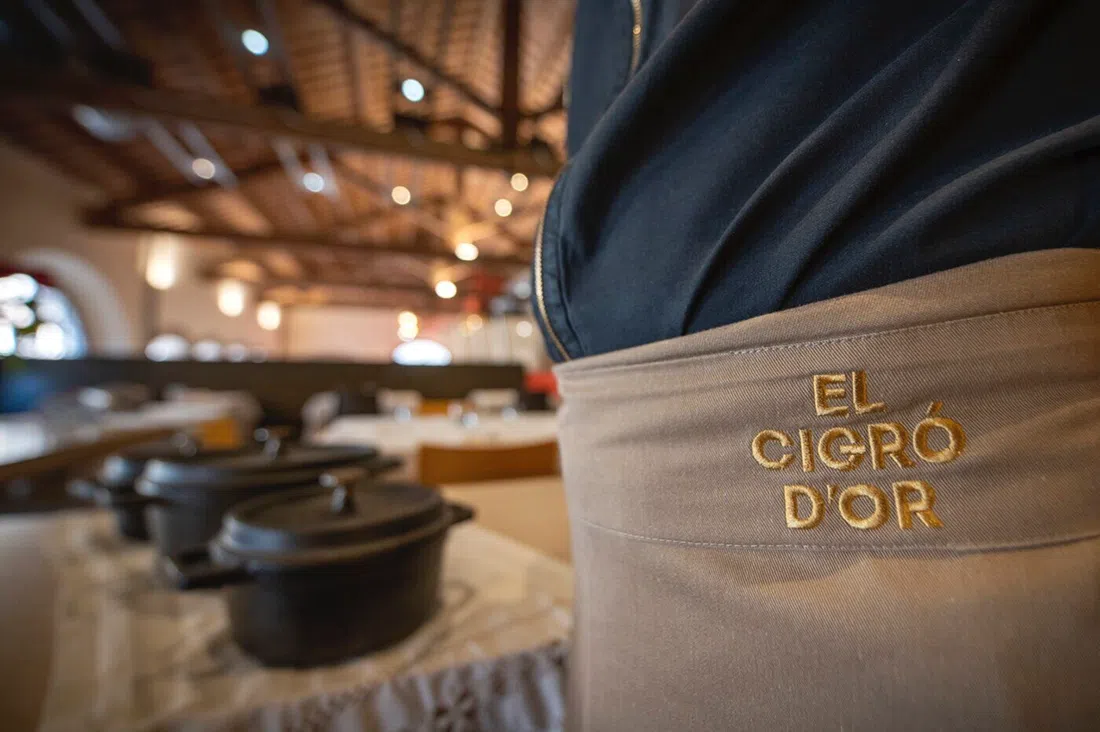
El Cigró d'Or (Vilafranca del Penedès) holds a Michelin Bib Gourmand for 2026, which is the credible anchor a day trip like this needs if it is going to read as more than a bus-and-bodega circuit. The kitchen takes group reservations, and its midweek set-menu format, at €35-55 per person, is built precisely for a tour lunch stop rather than a leisurely tasting-menu evening — book ahead if the group is arriving straight from a morning cellar visit.
Planning the Day: Transport, Cash, Timing, Budget
Getting there. Regional trains run from Barcelona to both Sant Sadurní d'Anoia and Vilafranca del Penedès, roughly 40-50 minutes each way, and both stations sit within walking distance of at least one venue on this list — Albet i Noya's e-bike option and VINSEUM both start from a station. For anything involving Can Ràfols dels Caus, Parés Baltà, Miquel Jané, Rovellats, Castellet, or a multi-cellar day, a car or a private driver is the realistic option, since these estates sit outside town and are genuinely not walkable between visits.
Booking ahead. None of the wineries on this list are walk-in tasting bars. Every one requires advance reservation, and the biodynamic and Corpinnat houses in particular (Recaredo, Gramona, Can Ràfols dels Caus, Celler Eudald Massana Noya) run small, appointment-only formats that fill up in high season. Book at least a week out for a weekend visit; Sumarroca's Saturday slots specifically require a minimum group of ten, so solo travellers and pairs should aim for a weekday tour there instead.
Cash and cards. Cellars and the museum all take cards for tastings and tours, but carry some cash for the old town in Castellet i la Gornal, where smaller stalls during the medieval fair may not.
Timing. Two cellar visits plus lunch is a realistic ceiling for one day without it feeling like a checklist — three if the visits are the shorter, standard-tour format rather than the 4x4 or full-pairing tiers. Start early if Castellet or VINSEUM is on the list, since both reward daylight and a slower pace rather than a rushed late-afternoon stop.
Budget. A day built around two standard tastings, a museum stop, and a Bib Gourmand lunch runs comfortably in the €100-150 per person range; add a 4x4 Terroir Visit at Can Ràfols dels Caus or a full pairing tour at Gramona and it climbs well past €200. Base yourselves in the city itself rather than the wine country — Penedès is a day trip, not an overnight, and the Barcelona hotel search covers the range of neighbourhoods worth sleeping in before an early regional train out. For everything else worth doing back in the city either side of the trip, the Barcelona guide has the rest of it covered.