The Barcelona issue
The Best Museums in Barcelona
An honest, walk-it shortlist of Barcelona's finest museums for 2026 — which to book, which are free when, and which suit a group over a couple.

By Robin MeijerNeighbourhoods, sights and the slow way round the city
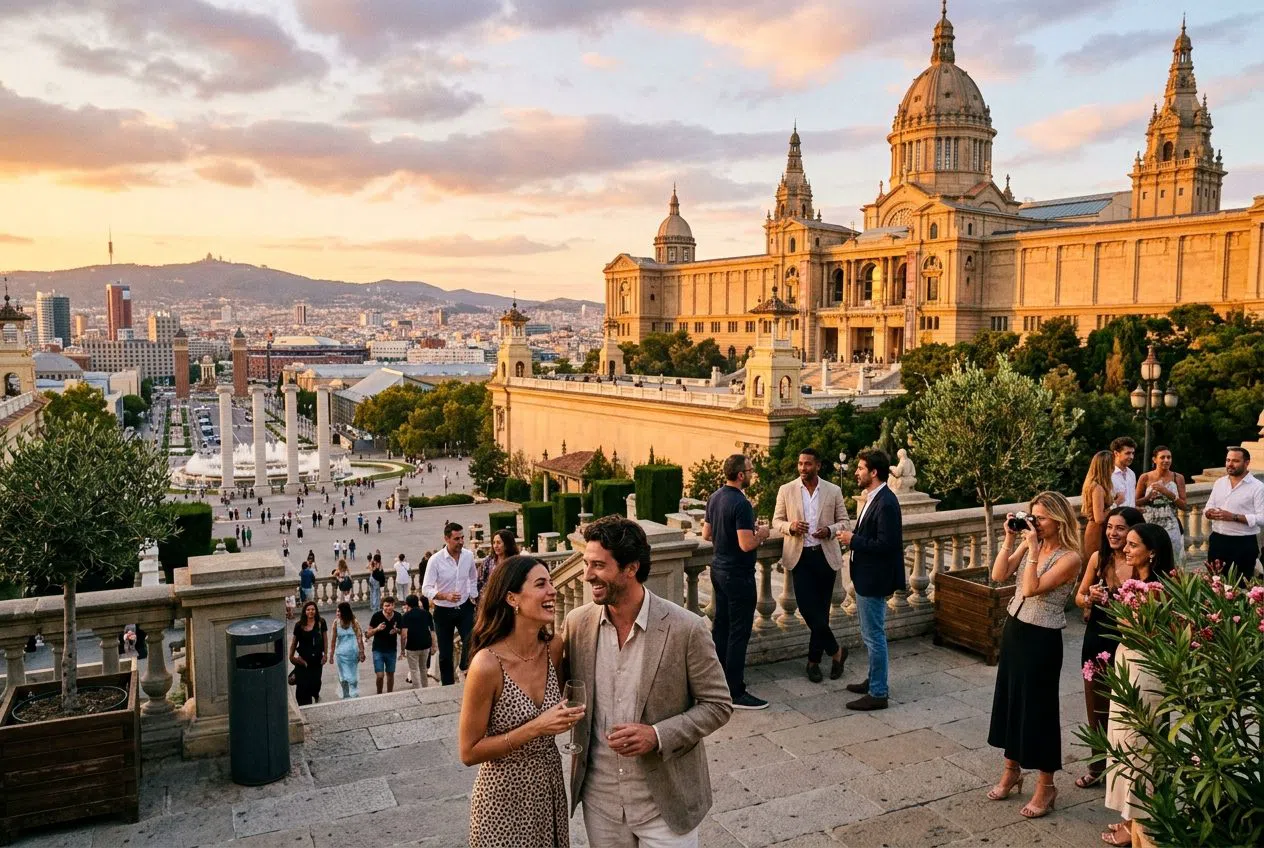
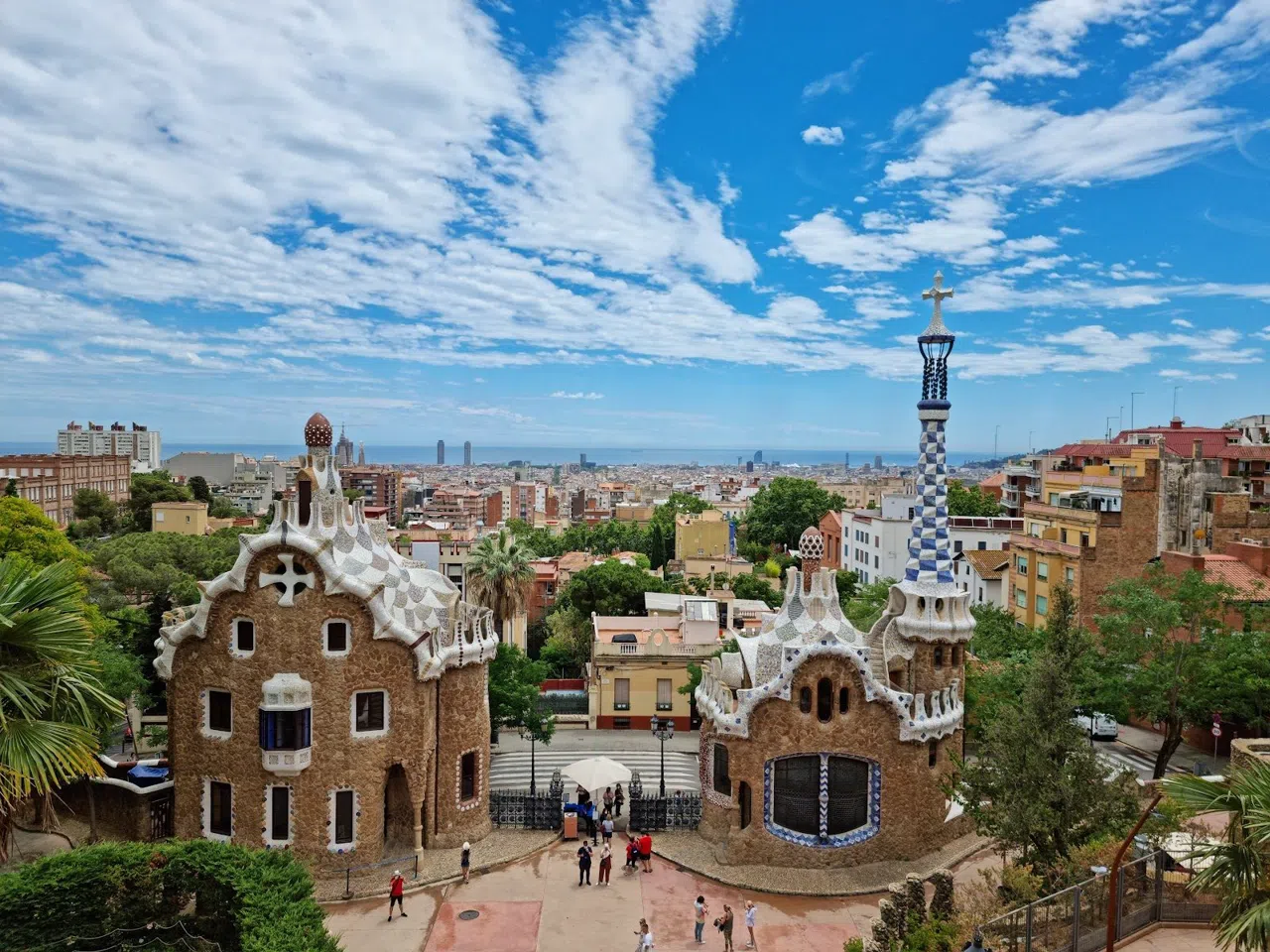
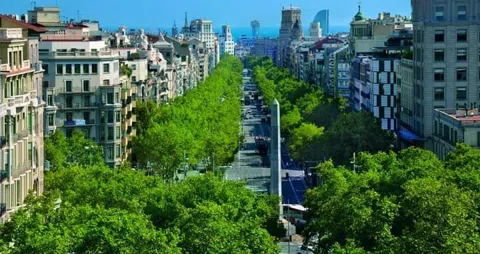
Barcelona wears most of its art on the outside — in the broken-tile skin of a Gaudí façade, in the wrought iron and the four o'clock light down the Eixample grid. But the city keeps its deeper collections behind quiet doors, and knowing which to open, and when it costs you nothing, is the difference between a good day and a queue-shaped one. What follows is the honest version: where to go, who each place suits, and how to sidestep the crush.
Start here: the one you shouldn't miss
If you do a single museum, make it the Museu Picasso (El Born). It sits in a run of medieval palaces along Carrer Montcada, and that is both its charm and its bottleneck: the narrow El Born lanes funnel every visitor to one entrance, so a timed slot booked ahead is non-negotiable — walk up on a Saturday and you will spend your morning standing in the street. The collection earns the planning. It traces Picasso from the teenage sketches he made as a boy in this actual city through to the roomful of variations on Velázquez's Las Meninas — the arc of a life rather than a greatest-hits wall, and all the more moving for being set where he grew up. Permanent entry is €14, but it is free on the first Sunday of each month and every Thursday from 5–9pm; if you are relaxed about your schedule, the Thursday evening is the civilised move — smaller crowds, no fee, and the El Born tapas bars waiting afterwards. Groups are taken, but guided-group and school slots must be pre-booked.
Plan your Barcelona trip
Live prices from our booking partners.
Free cancellation on many rooms. We may earn a commission when you book.
Modern and contemporary: El Raval and the Eixample
A ten-minute walk up from the Rambla, in the tangle of El Raval, Richard Meier's white cube of the Museu d'Art Contemporani de Barcelona (MACBA, El Raval) glows above a plaza that has been Europe's unofficial skateboarding cathedral for two decades. In 2026 the museum marks its 30th year with an expanded programme; building works run alongside, but it stays fully open, and the plaza itself — boards clattering against Meier's ramps — is a sight in its own right. Entry is €12, free on Saturdays from 4pm. Groups are fine, and the plaza is an easy no-cost place to gather a scattered party.
Share the same square and you are already at the CCCB (El Raval), the Centre de Cultura Contemporània. There is no fixed collection here; instead it runs idea-led shows on cities, technology and culture, and it is consistently one of the sharpest programmes in town — so check what is actually on before you commit. Tickets run roughly €6–8 depending on the exhibition, and it is free on Sundays from 3–8pm. Spacious and group-friendly, it pairs naturally with MACBA next door for a half-day of contemporary wandering without ever crossing a busy road.
Over in the Eixample, on a quiet modernist block, the Museu Tàpies (Eixample) — recently rebranded from the Fundació Antoni Tàpies — is a compact, single-artist stop with real character, best for a couple or a small group rather than a coachload. €12, free on the first Sunday of the month, and rarely more than an hour's visit.
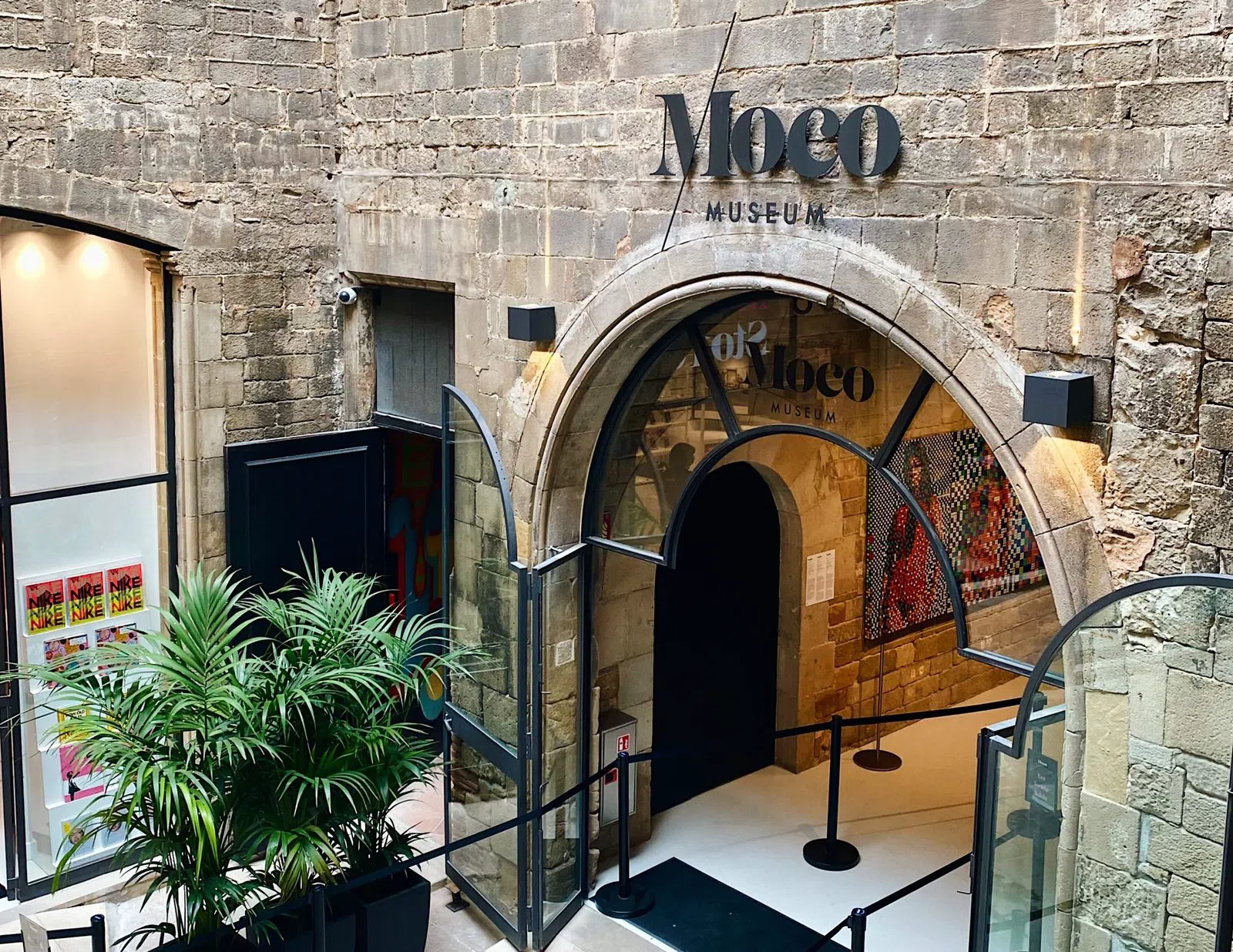
For something louder and younger, the Moco Museum Barcelona (El Born) trades in Banksy, Basquiat, Warhol and Haring alongside digital installations. It is frankly an Instagram crowd-pleaser rather than a purist's pick, but it knows exactly what it is and does it well — very group-friendly, walk-up tickets accepted (pre-booking skips the El Born crush), around €17–22. If you have a mixed-age or younger group with one art-sceptic among them, this is the room that quietly converts them.
Montjuïc: the palace, the poet and the old factory
Barcelona's grandest art lives on Montjuïc, the green hill above the old harbour, and it rewards a dedicated half-day. Ride the funicular up from Paral·lel or walk through the terraced gardens; the climb, and the way the city drops away behind you, is part of the visit.
Crowning the hill is the Museu Nacional d'Art de Catalunya (MNAC, Montjuïc), a beaux-arts palace holding a thousand years of Catalan art — the Romanesque frescoes alone, lifted whole from Pyrenean churches and reassembled here, are extraordinary. It is huge, so budget a couple of hours and pace yourself. Entry is €12, and here is the cartographer's tip: it is free on the first Sunday of the month and every Saturday from 3pm, while the rooftop terrace — one of the best skyline views in the city for about €2 — doubles as an obvious place to regroup when your party has drifted apart inside. Large groups are handled comfortably.
A short walk across the hillside brings you to the Fundació Joan Miró (Montjuïc), a low white building full of Mediterranean light that even confirmed gallery-avoiders tend to warm to. It is rarely as jammed as the Picasso queue, has a roof terrace that suits a spread-out party, and costs €18 (free on the first Sunday of the month). Pair it with the hilltop walk and you have an easy, unhurried morning.
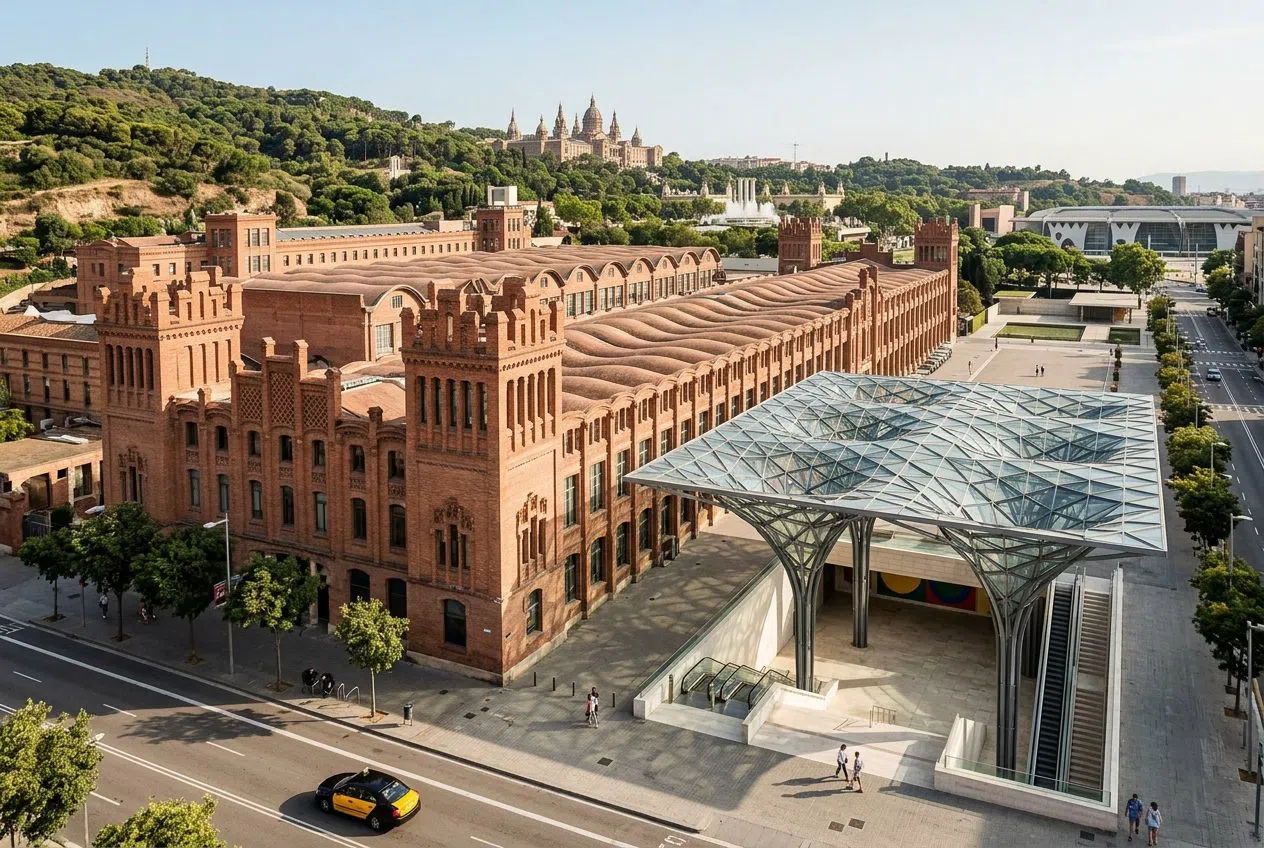
Lower down sits CaixaForum Barcelona (Montjuïc), a Puig i Cadafalch textile factory — all modernist brick and sinuous curves — repurposed as a gallery. It is often quiet, runs big touring international shows, and is gentle on the wallet: around €6 per exhibition, with the building and its courtyard free to walk into. If your group wants one substantial blockbuster rather than a sprawl of rooms, this is the pick.
Gaudí, houses and the 2026 centenary
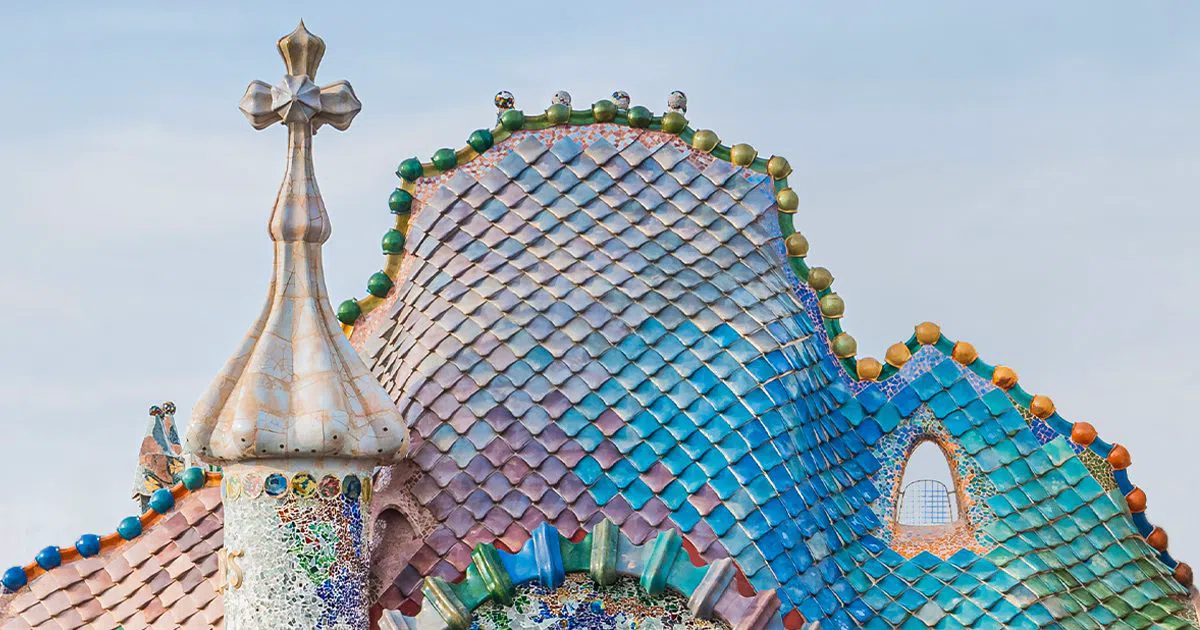
Not every "museum" here is a gallery. On Passeig de Gràcia, the Casa Batlló (Eixample) is Gaudí's dragon-backed apartment block and the flagship interior of his career — bone-like balconies, a stairwell that ripples like the inside of a wave. Be warned: it runs strict timed entry with dynamic pricing from around €35, and 2026 is Gaudí Year, the centenary of his death, so slots sell out days ahead and the upper floors open for the first time as a new contemporary-art space. It is a genuine experience, but an expensive and heavily-booked one. If the price makes you wince, the façade is free to stand and gawp at from the pavement, and there is no shortage of Gaudí you can read straight off the street elsewhere in the Eixample — so book Batlló only if you truly want inside.
With kids, or when it rains
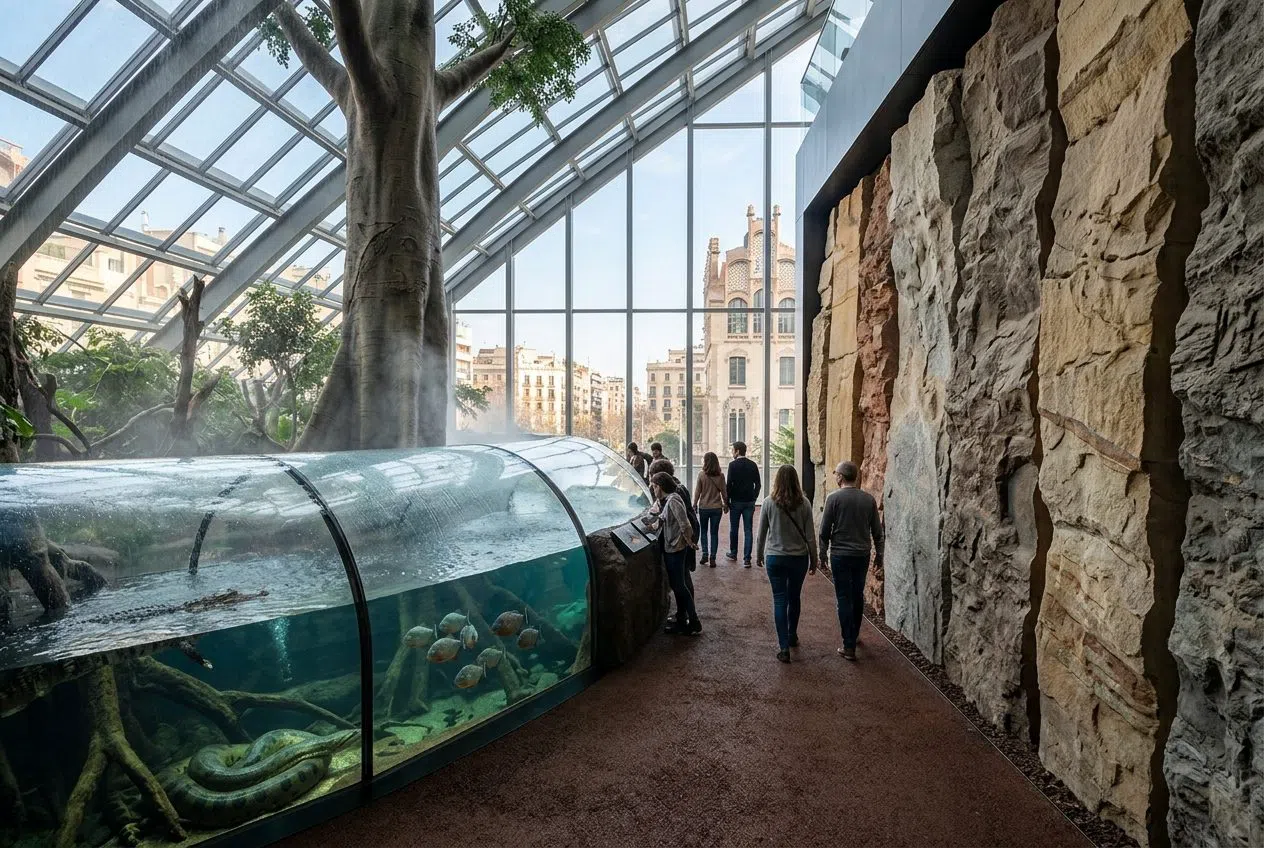
For a family, or the day the Mediterranean turns grey, nothing beats CosmoCaixa Barcelona (Sarrià, in the foothills below Tibidabo). It is a genuinely hands-on science museum — touch, press, splash, not look-don't-touch — and remarkably cheap at €6 entry, with under-16s free. Book the timed Flooded Forest session, a recreated slice of Amazon rainforest under glass (+€4), separately, as it sells out. It is the best rainy-day call in the city and the single strongest option for a school or family group.
Back in El Born, the Museu de la Xocolata (El Born) is a low-commitment charmer built for groups: guided tours with tastings, private chocolate-making workshops you can book ahead, and full wheelchair access throughout. Entry is about €6, workshops extra. It is a soft-touch stop — ideal for a hen or stag group easing into the day, or families flagging in the afternoon.
History and obsession: the sea and the football
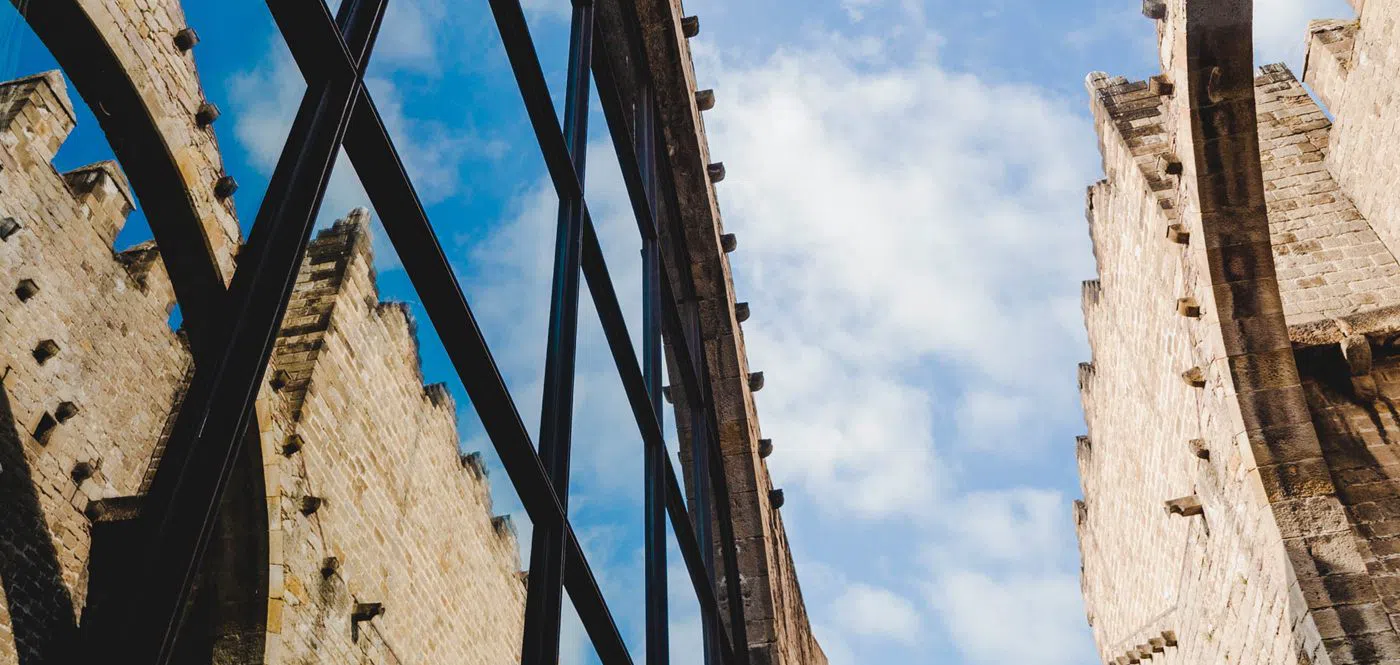
Down at the bottom of the Rambla, by the Drassanes metro, the Museu Marítim de Barcelona (Drassanes) occupies the Reials Drassanes — Europe's great surviving medieval shipyard, and honestly the building justifies the ticket on its own: vast stone naves built to lay down galleys by the dozen. Inside, a running "Three centuries of Catalan seafaring" exhibition continues through November 2026. Entry is €7, free on Sundays from 3–8pm — another free window worth aiming for. The roomy interiors swallow large groups easily; note that tickets are mostly bought in person at the desk with limited online sales, so allow a little queue time at the door.
And for the football-minded, the FC Barcelona Museum (Les Corts) at Spotify Camp Nou stays open through the stadium rebuild — but be honest with your group before you set off. Pitch, dressing-room and full stadium-tour access are all closed until the works finish, expected around August 2026; for now you get the museum, the immersive show and a construction viewpoint, at a reduced price from around €28. A reliable crowd-pleaser for a football party, but manage expectations — it is not the full Camp Nou experience yet.
Groups versus couples: the honest sort
A quick word on who suits what. For a large or mixed group, MACBA, CCCB, MNAC, the Marítim and the Xocolata all cope well and hand you easy no-cost gathering points — the MACBA plaza, the MNAC rooftop, the square outside CCCB. Moco and the FC Barcelona Museum are the crowd-pleasers for younger or football-minded parties. For a couple or a small, quieter group, the Picasso, Miró and Tàpies reward you more — smaller, more considered, more about looking than logistics. Whatever the size of your party, pre-book where you can: the El Born venues in particular bottleneck hard at the door, and a timed slot is the single best thing you can do for the day.
If you want a base for all this, the Barcelona hotel search covers the neighbourhoods above, and our full Barcelona guide sets the museums in the wider shape of the city.
Practical notes
Getting around. The city is compact and the metro is quick and cheap — a T-casual multi-trip ticket is the value option, and most of these museums sit within a short ride or walk of a line. Montjuïc is the one climb worth planning: take the funicular from Paral·lel, or the cable car if you want the harbour view thrown in. CosmoCaixa is the furthest out, up in Sarrià, but the FGC train drops you close.
When it is free. If you are watching the budget, stack the free windows: the first Sunday of the month covers the Picasso, Miró, MNAC, Tàpies and more; MNAC is also free on Saturdays from 3pm, MACBA on Saturdays from 4pm, CCCB and the Marítim on Sunday afternoons, and the Picasso on Thursday evenings from 5pm. Plan a Saturday-afternoon-into-Sunday run and you could see three or four for nothing but shoe leather.
Cash and cards. Cards work almost everywhere, but the Marítim's in-person desk and the odd workshop fee go smoother with a little cash on hand.
Timing. Mornings and late afternoons are calmest; midday is when the tour groups and the Mediterranean sun both peak. Casa Batlló and the Picasso need booking days ahead in 2026 thanks to Gaudí Year and El Born's crowds — lock those in first when you plan, then slot the free-entry places around them.
Budget. You can do this city's art cheaply. Away from Casa Batlló (€35+) and the FC Barcelona Museum (from ~€28), most tickets sit between €6 and €18, and the free windows can knock a full day of museums down to the cost of your metro trips.
Before you go
Which is the one museum I shouldn't miss in Barcelona?
The Museu Picasso in El Born. It traces Picasso from his teenage Barcelona sketches to his Las Meninas variations, in the city where he actually grew up. It costs €14 (free the first Sunday of the month and Thursdays 5–9pm), and you must book a timed slot because the El Born lanes bottleneck at the entrance.
Which Barcelona museums are free, and when?
Many are free on the first Sunday of the month, including the Picasso, Miró, MNAC and Tàpies. On top of that, MNAC is free Saturdays from 3pm, MACBA Saturdays from 4pm, CCCB and the Museu Marítim on Sunday afternoons (3–8pm), and the Picasso on Thursday evenings from 5pm. Plan a Saturday-into-Sunday run to stack them.
Do I need to book Barcelona museums in advance in 2026?
For Casa Batlló and the Museu Picasso, yes — book days ahead. 2026 is Gaudí Year (the centenary), so Casa Batlló's timed slots sell out fast, and the narrow El Born lanes make the Picasso's entrance a bottleneck. Elsewhere, walk-up or same-day booking is usually fine, though groups should always pre-book.
Which museums are best for kids or a rainy day?
CosmoCaixa is the top pick — a genuinely hands-on science museum, just €6 with under-16s free (book the +€4 Flooded Forest session separately). The Museu de la Xocolata in El Born is a good second, with chocolate-tasting tours and workshops, wheelchair access and a low ~€6 entry.
Is the FC Barcelona museum worth visiting during the Camp Nou rebuild?
Only if you set expectations. It stays open at a reduced price (from ~€28) with the museum and immersive show, but pitch, dressing-room and full stadium-tour access are closed until the works finish, expected around August 2026. For now it's museum plus a construction viewpoint — good for a football party, but not the full Camp Nou experience yet.