Especial Barcelona
Why Barcelona's Casa Lleó i Morera stops at the front door
Barcelona refused the building's visitor licence in 2016, so the stained-glass dining room is still shut, and what is left to see, the facade and the ground floor, costs nothing.

Por Robin MeijerNeighbourhoods, sights and the slow way round the city
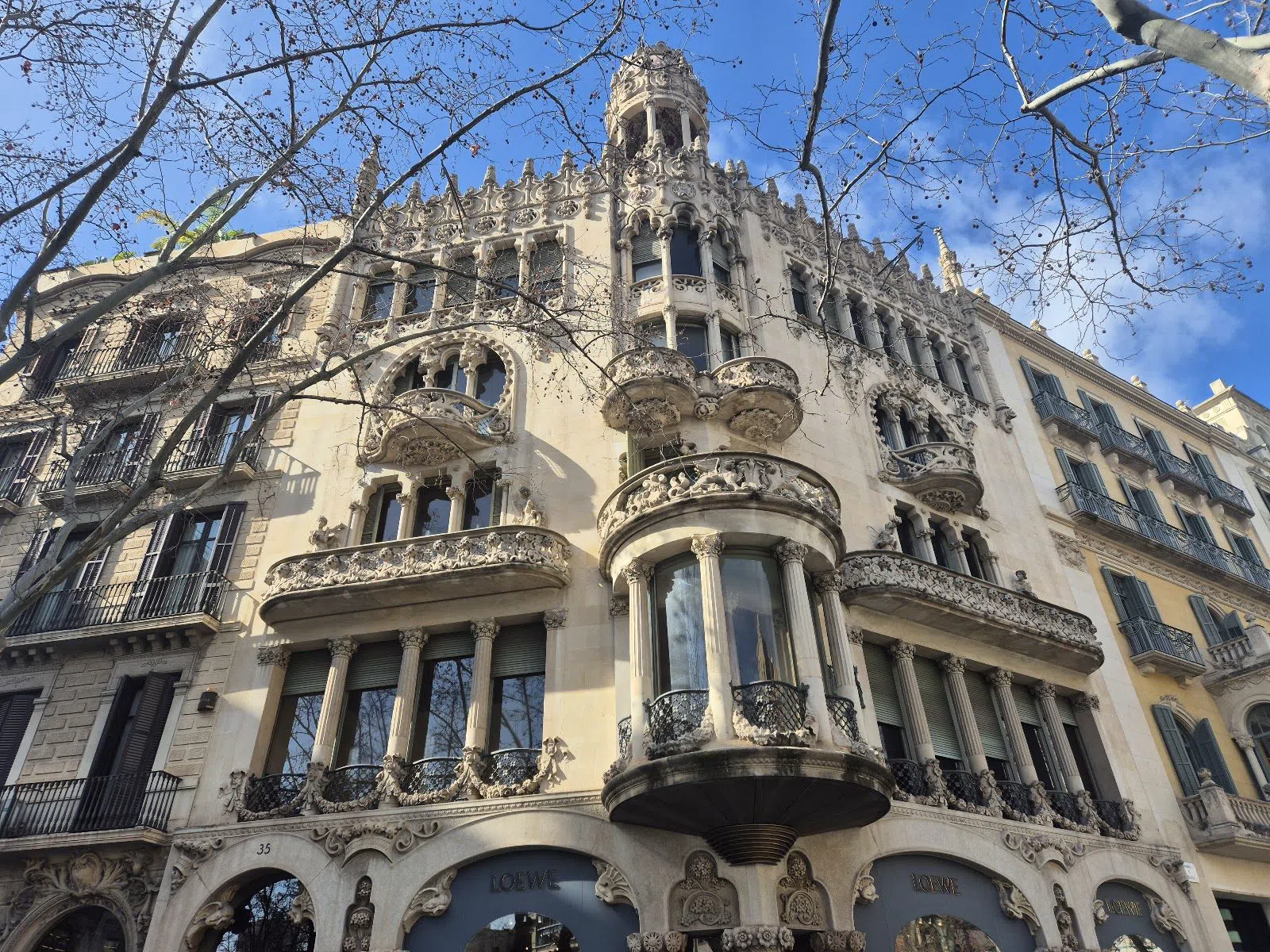
Casa Lleó i Morera has been closed to visitors since 2016, when the city refused its public-premises licence over the eight protected steps between the street and the lift. The facade is free to look at from the pavement, and the ground-floor shop is the only part of the building you can stand in.
What you see at Passeig de Gràcia 35
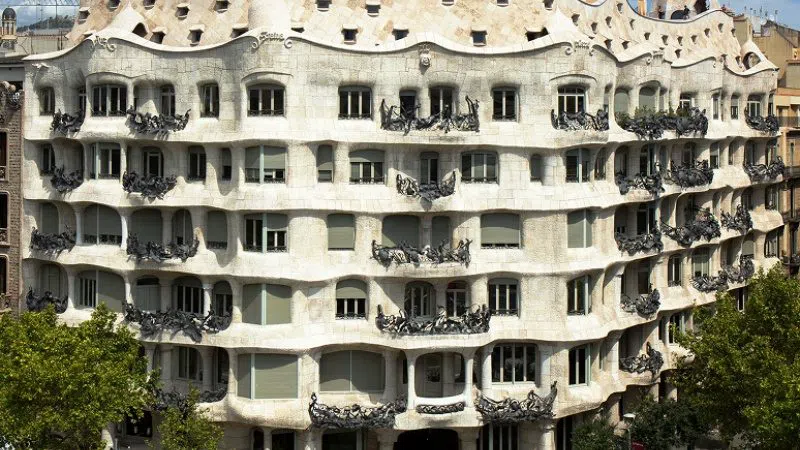
Casa Lleó i Morera (Passeig de Gràcia 35 and Consell de Cent) turns the corner in carved white stone. Domènech i Montaner finished it in 1905. A deep rounded tribune of glazing runs across the first floor on slender columns, carried on stonework cut with lions and mulberry foliage. From the street you can only guess at the small circular domed temple on the roofline.
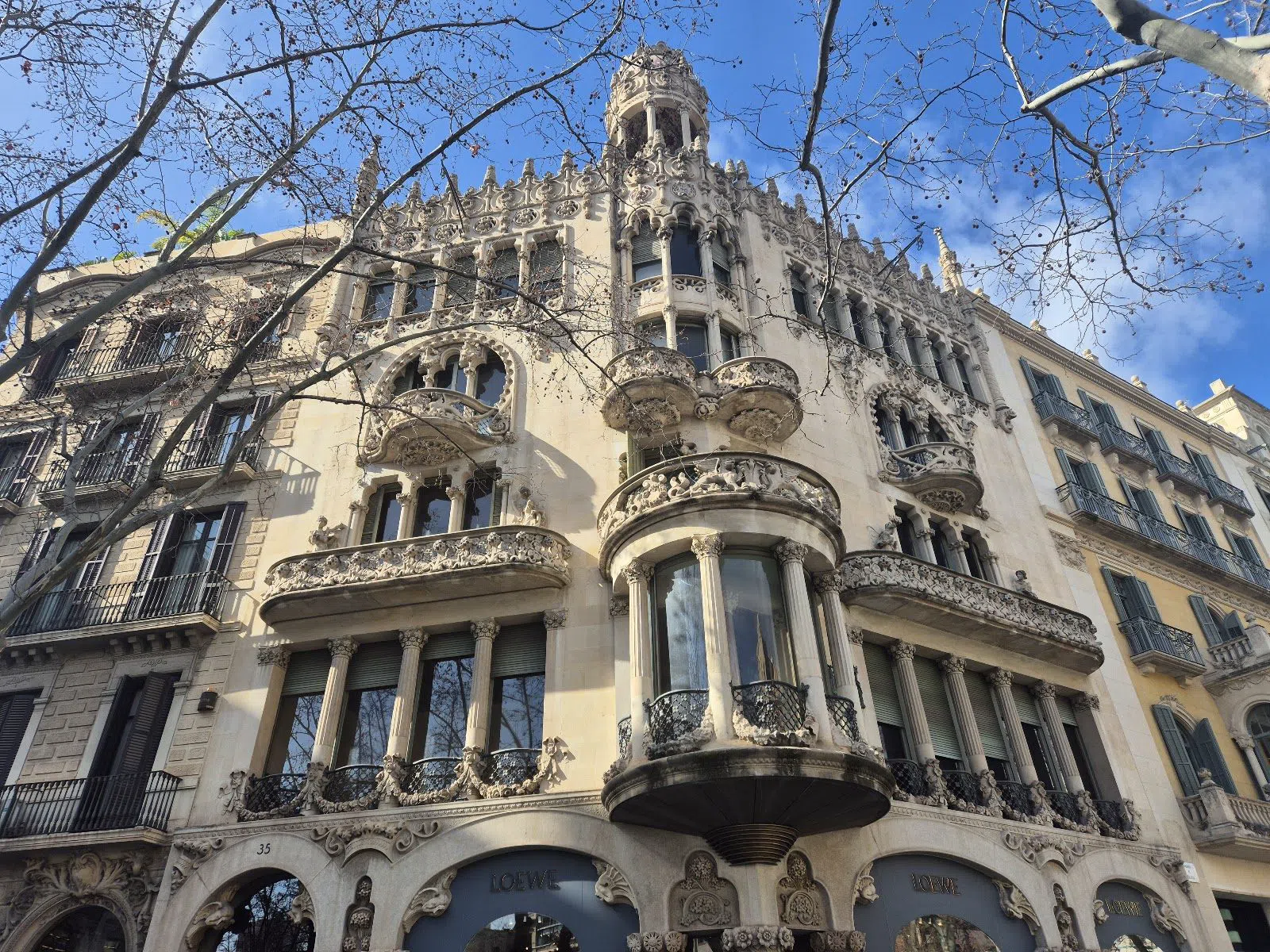
The owner, Núñez i Navarro, holds a special plan, initially approved, to convert four floors into a museum. No firm opening date exists, and 2027 is the earliest anyone talks about. Anyone promising you the famous stained-glass dining room in 2026 is selling something else.
Planifica tu viaje a Barcelona
Precios en directo de nuestros socios de reservas.
Cancelación gratuita en muchas habitaciones. Podemos recibir una comisión cuando reservas.
Standing inside the ground floor
Casa Loewe Barcelona occupies the ground floor of Casa Lleó i Morera and has held it since the 1940s. Entry is free; the goods are luxury-priced at €€€€. Open Monday to Saturday 11:00 to 20:30, closed Sunday. A modernista stone arcade frames plate-glass vitrines of tan leather bags, and the pale stone and wood of the shop sits under the original carved ceiling. The museum plan preserves the storefront, but what you walk into is a shop, and the piano nobile above it stays shut.
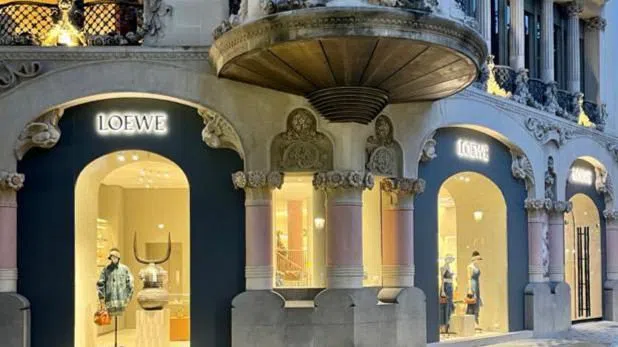
Two or three people can walk in and look up. The shop discourages tour-sized groups.
Tickets, queues and tours
No visitor ticket exists for the upper floors, and no queue forms, because the door does not open. The pavement is public, and walking groups stop at the corner without arrangement. Private guided tours of this stretch run seven days a week and book up steadily, so fix a date in advance instead of looking for a slot on the morning.
The ticketed interiors on the same block
Casa Amatller stands next door, and its 1900 apartment still has its furniture. Open daily 10:00 to 20:00, closed 25 and 26 December and 6 January. Entry runs €20 to €30, under-7s free. Guided tours run in Catalan, Spanish and English, the audio guide covers seven languages, and educational and theatrical visits can be booked. The cream facade is dense with sgraffito under a stepped triangular Dutch-style gable, with carved stone animals including a pig throwing pottery. A pink marble staircase climbs past a stained-glass lobby and the original lift cage. It is quieter than its neighbours.
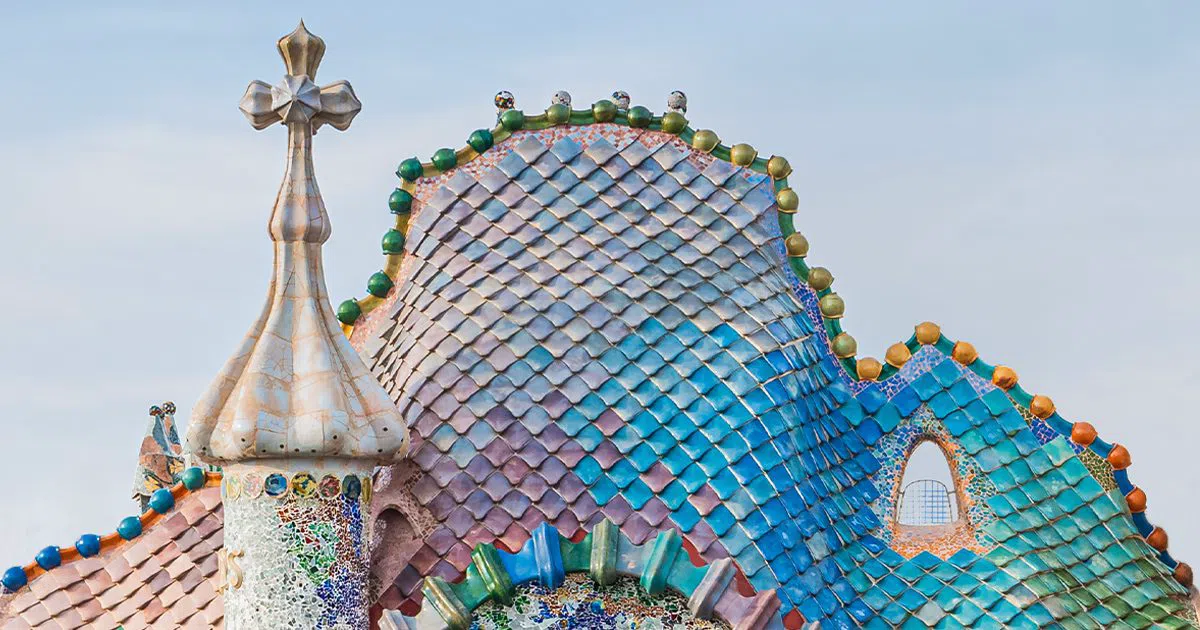
Casa Batlló sits at the other end of the same block and is the busiest door in the city. Open 09:00 to 22:00 daily, with last entry at 20:00. Four ticket tiers run from €29 online to €49, on timed entry, and under-12s go free. Book online rather than at the box office; the saving runs several euros, and the price rises as the date closes in. The stone columns at street level are bone-like, and the facade climbs in blue-green trencadís mosaic to a scaled dragon-spine roof with a bulbous four-armed cross. The lightwell inside is tiled blue.
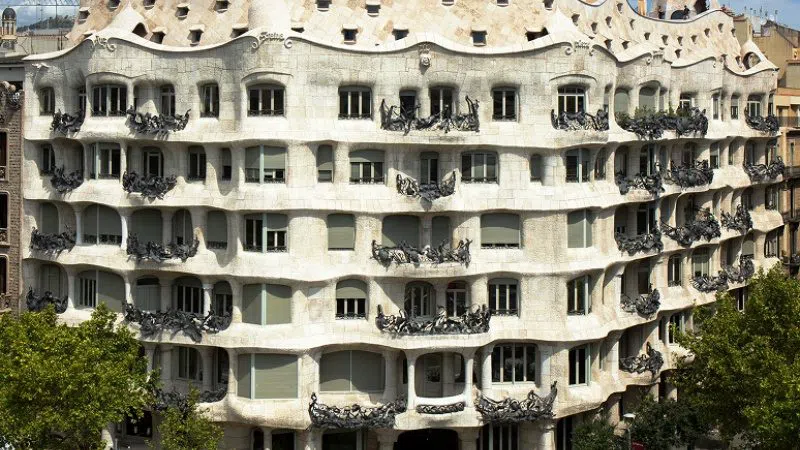
Casa Milà – La Pedrera is five minutes north on the same boulevard. Tickets start at €29, night and sunrise itineraries from €39.50, and a premium guided visit is €120. The grey limestone facade undulates, with seaweed-twisted iron balconies hung across it. Its roof terrace of white helmeted chimney warriors is the best place to understand how these buildings crown themselves, and the brick parabolic arches of the attic sit just below it.
Domènech i Montaner interiors you can walk into
Museu Tàpies (Carrer d'Aragó) is one corner from Casa Lleó i Morera, in the former Montaner i Simon publishing house of red brick and exposed iron. It is the earliest Domènech i Montaner building in the district, from 1885, and reading his brick-and-iron thinking here changes how you judge what he did 20 years later on Passeig de Gràcia. A tangle of aluminium wire and tubing, a cloud and a chair, crowns the roof, and the hall inside is tall and skylit. Open Tuesday to Saturday 10:00 to 19:00 and Sunday 10:00 to 15:00. Entry is €12, reduced €8, under-16s free. It was renamed from Fundació Antoni Tàpies.
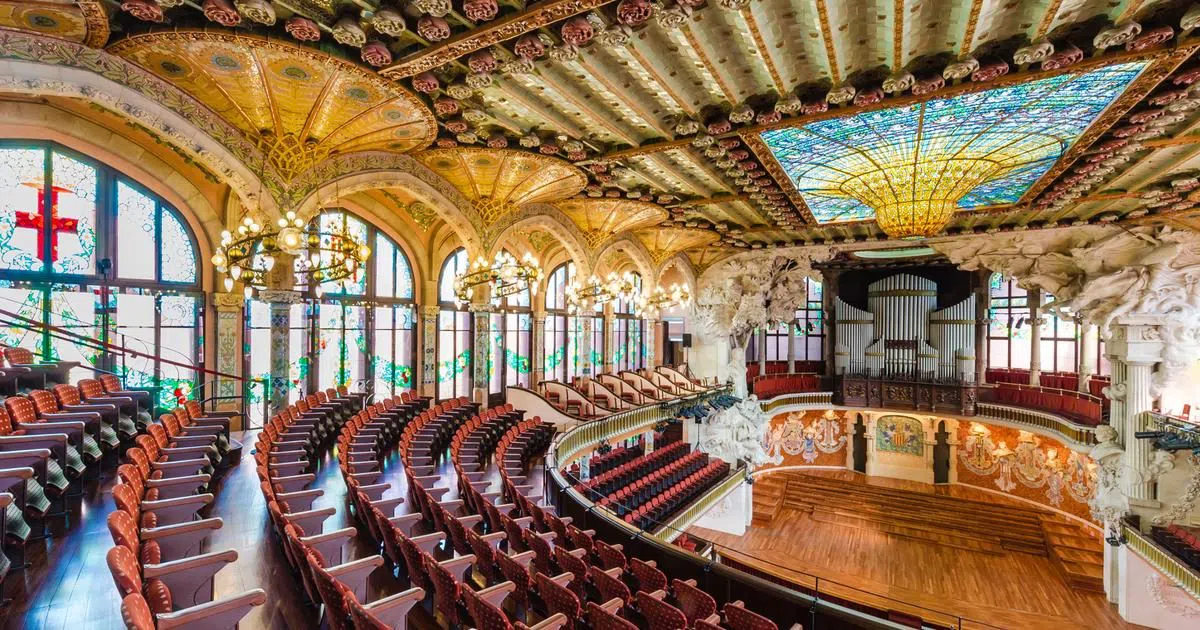
Palau de la Música Catalana is the compensation for the closed dining room, the same architect's stained glass and mosaic at full volume. An inverted stained-glass skylight dome in gold and coral hangs down into the auditorium, and half-relief muses in broken mosaic spread across the back of the stage. Mosaic-clad brick columns stand outside. A visit takes 50 minutes: €20 self-guided with a brochure in 17 languages, €24 guided or audio-guided, under-10s free. It is UNESCO-listed alongside Sant Pau.
Sant Pau Recinte Modernista is Domènech i Montaner's largest work and the least crowded of the big modernista sites. Orange-brick pavilions with mosaic-tiled domes and sculpted finials stand in palm gardens, linked below ground by vaulted service tunnels. Open 09:30 to 18:30 from April to October and 09:30 to 17:00 from November to March, closed 25 December. Self-guided entry is €17 to €18, guided €21, and the audio guide adds €4. Guided tours run at weekends and on holidays, in English at 10:30 on Saturday and in other languages on request.
Two interiors off the boulevard
Palau Baró de Quadras (Avinguda Diagonal) is Puig i Cadafalch's palace, with grotesque beasts and portrait heads by Eusebi Arnau over the windows. Arnau's sculpture also appears on Casa Lleó i Morera. The narrow pale-stone facade holds a deep Gothic-revival gallery across the first floor. Visits are guided only and start at €19, in fixed slots this season on Friday at 16:00, 17:00 and 18:00, so book before you travel. Nearby Casa de les Punxes has had its interior shut to visitors since 2021 and now holds co-working space.
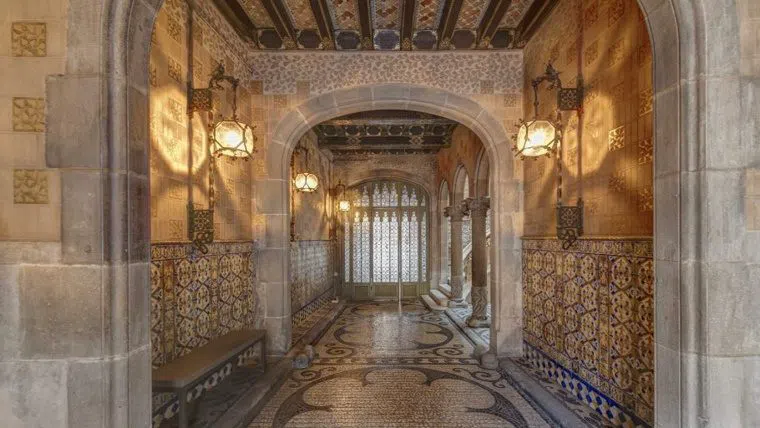
Casa Vicens (Gràcia) is Gaudí's first house and the one major modernista interior that still has breathing room. Chequerboard green-and-white tiling is scattered with orange marigold tiles, Mudéjar brick turrets rise above a palm-frond ironwork gate, and the smoking-room ceiling is densely painted. Open 09:30 to 20:00 from April to October and 09:30 to 18:00 from November to March, closed 25 December and for a week in early January. Tickets are €21 online, €22 at the door, €19 reduced, under-10s free. Guided tours take 12 people and run in seven languages, and self-guided visits include a free audio guide.
Best time to go
Morning is the hour for this corner. Take the earliest pre-opening slot at Casa Batlló and walk up the block to the facade afterwards. Sunday leaves the building with no open door at all, so keep the ground floor for Monday to Saturday. When Passeig de Gràcia is solid with people, take the metro out to Sant Pau or go up to Casa Vicens. A night or sunrise itinerary at Casa Milà moves your roof hour clear of the daytime crowd.
Where to sit between stops
Palau Robert is the neoclassical white palace at the top of Passeig de Gràcia, with a walled garden of tall palms and plane trees behind iron railings. Entry is free and unticketed. Inside there are rotating exhibitions, a Catalonia information desk and clean toilets, and the garden has gravel benches shaded from the boulevard. Open Monday to Saturday 09:00 to 20:00, Sunday and holidays 09:00 to 14:30, closed 25 and 26 December and 1 and 6 January.

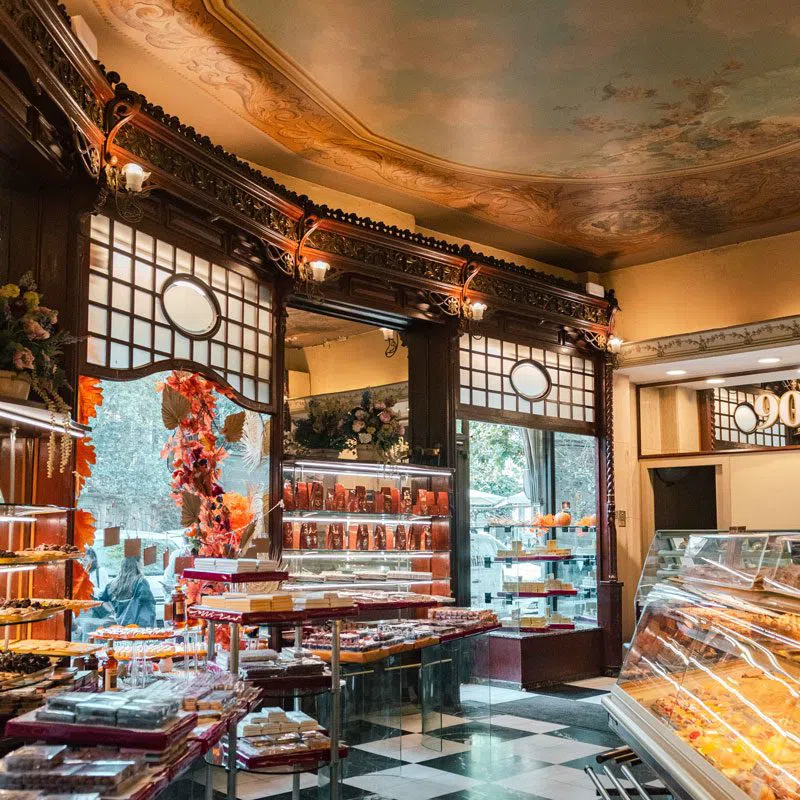
Pastisseria Mauri (Rambla de Catalunya) has been family-run into its fourth generation since 1929. The interior keeps a restored painted ceiling of the Goddess of Abundance above dark wood and curved glass cabinets stacked with pastries, and you sit at small round tables beside the marble counter. Coffee and a pastry run €5 to €12. Walk in at the counter.
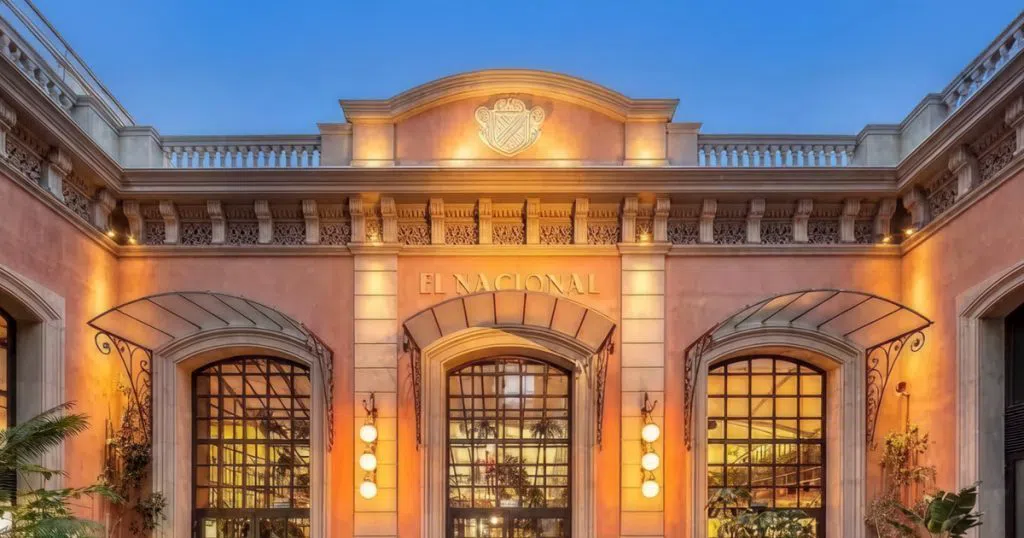
El Nacional (Passeig de Gràcia 24 bis) fills a vast restored hall under a vaulted iron-and-glass ceiling, with ranks of columns, four marble-counter kitchens and four bars sharing one floor. Open 12:00 to 00:00, and to 01:00 on Friday and Saturday. Mains run broadly €15 to €30. Reserved areas take up to 100, the private room seats 20, and a full buyout runs to 700, which makes it the one address on this stretch that can seat a tour party without a month's notice.
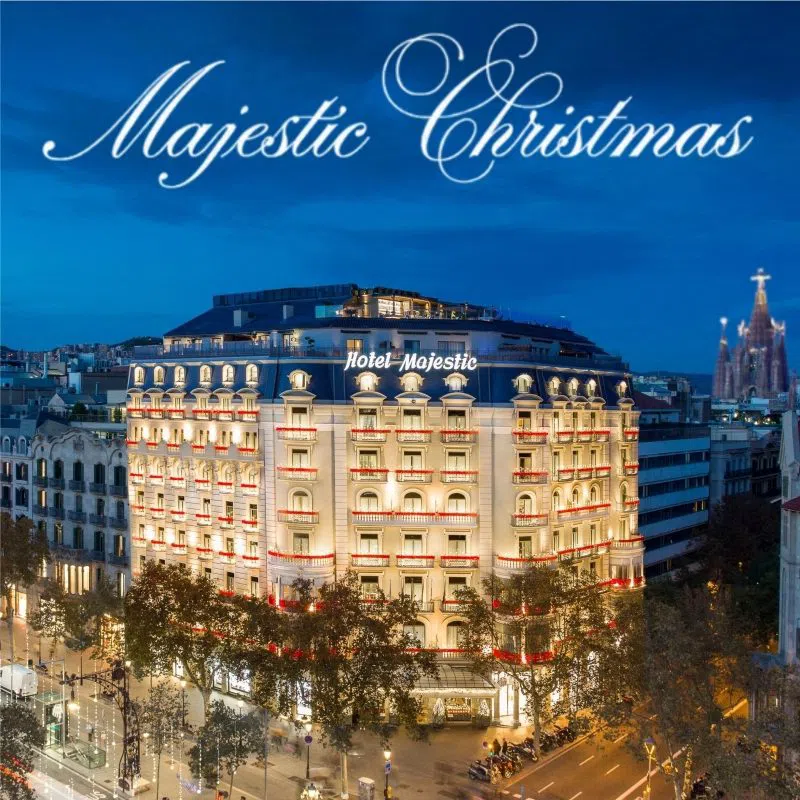
Terraza La Dolce Vitae, Majestic Hotel & Spa is a tenth-floor terrace with a small pool and wicker loungers. From the parapet you look straight down Passeig de Gràcia to Casa Batlló's roof, with the Sagrada Família and Torre Glòries on the skyline, and you see the crowning detail of the Illa de la Discòrdia that the pavement hides. Cocktails are €18 to €25. Reservations are advised and dress is smart-casual. It now opens for breakfast as well as sunset.
Is the stop worth it
It suits a visitor already working along Passeig de Gràcia for the other houses on the block. The facade costs nothing, and the ground floor hands you original stonework and a carved ceiling for the same price. Anyone who came specifically for Domènech i Montaner's stained glass should put the money into Palau de la Música Catalana.
Planning notes
Casa Loewe closes on Sunday and Museu Tàpies closes on Monday, and the Friday visit at Palau Baró de Quadras fixes the shape of your week. Book Casa Batlló, Casa Vicens and that Friday slot before you travel. See the Barcelona guide and the Barcelona hotel search.
Antes de ir
Can you go inside Casa Lleó i Morera in 2026?
No. The city refused the building's public-premises licence in 2016 over the eight protected steps between the street and the lift, and it has been closed to visitors since. The only part you can walk into is the Loewe store on the ground floor, open Monday to Saturday 11:00 to 20:30 and closed Sunday.
Will it reopen as a museum?
The owner, Núñez i Navarro, has initial approval for a special plan to convert four floors into a museum, and the plan keeps the storefront. No firm opening date exists, and the earliest anyone talks about is 2027.
What does it cost to see, and do you need a tour?
You can see the facade from the public pavement for nothing, and the ground-floor store is free to walk into. There is no visitor ticket for the upper floors and no queue at the door. Private guided tours of this stretch run seven days a week and get booked up, so fix your date ahead.
Which nearby house is the closest substitute for the closed interior?
Casa Amatller, next door, has a 1900 apartment left intact with its furniture. It opens daily 10:00 to 20:00, shuts on 25 and 26 December and 6 January, and entry is €20 to €30, free for under-7s.
Where can you see Domènech i Montaner's stained glass instead?
At the Palau de la Música Catalana the inverted stained-glass dome, gold and coral, hangs down into the auditorium. A visit takes 50 minutes and costs €20 self-guided or €24 guided or audio-guided, free for under-10s.